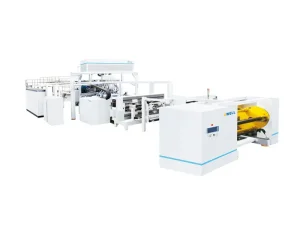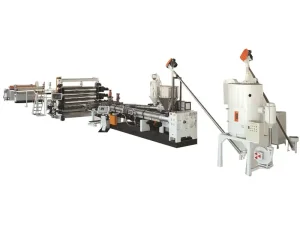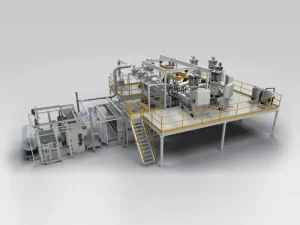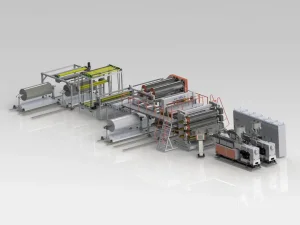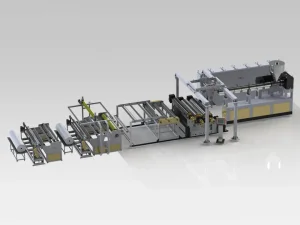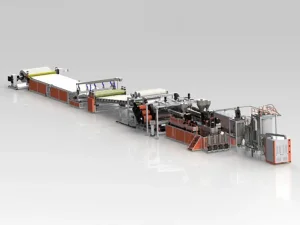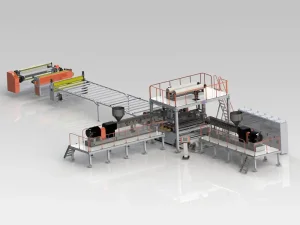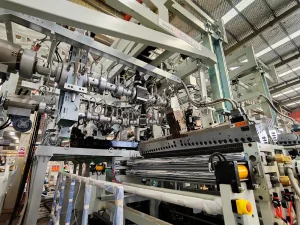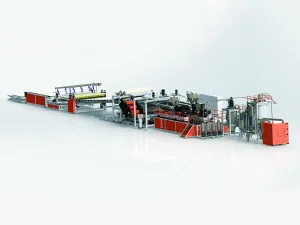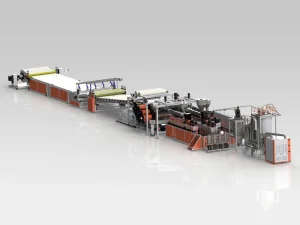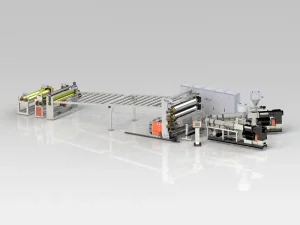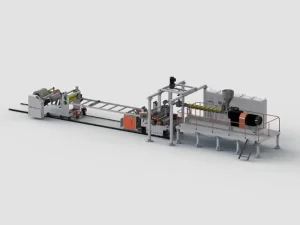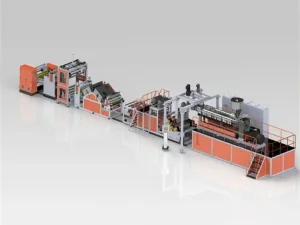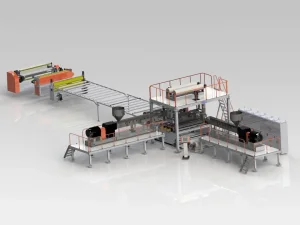
Explore our high-performance industrial extrusion configurations engineered for ultimate dimensional precision, raw material resilience, and high-yield manufacturing outputs.
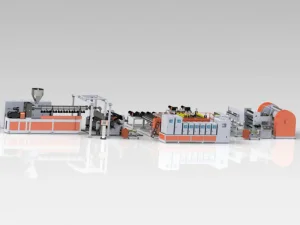
A comprehensive analysis of high-precision PVC joint-sealing materials, structural designs, and state-of-the-art extrusion line engineering.
Polyvinyl Chloride (PVC) water stops are highly specialized profiles designed to be cast into concrete joints to prevent the passage of fluids. Typically utilized in construction, expansion, and contraction joints, these structural components act as continuous barriers. Achieving structural integrity requires zero-defect manufacturing, absolute dimensional uniformity, and excellent physical properties such as high tensile strength, elongation capacity, and resistance to chemical corrosion.
A precision-made PVC water stop extrusion line must accurately form complex cross-sectional geometries. These profiles incorporate outer ribs, center bulbs, and anchor flaps that lock securely into curing concrete. Small dimensional variances in rib depth or bulb thickness can result in structural failure under hydrostatic pressure, highlighting the critical role of advanced, automated extrusion machinery.
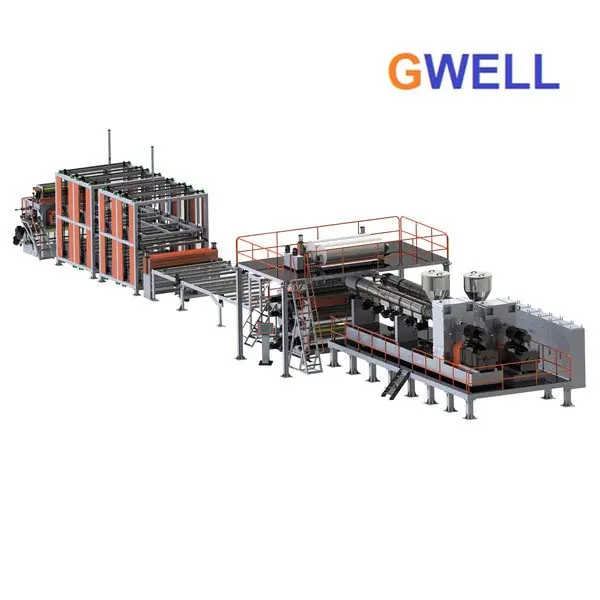
The core of a PVC waterstop production line is a highly configured extruder, typically a conical twin-screw extruder. PVC has high melt viscosity and is sensitive to thermal degradation, meaning the extrusion system must deliver uniform plasticization at controlled melt temperatures. The screw configuration, barrel temperature zones, and die design must be optimized to handle specialized rigid or flexible PVC formulations containing plasticizers, stabilizers, and impact modifiers.
Precision calibration tables utilizing vacuum-sizing technology ensure the extruded PVC profile retains its exact dimensions during cooling. Due to the thickness variations of the water stop profile (where the center bulb is much thicker than the side ribs), uneven cooling can introduce internal stress and warping. Advanced water bath designs and segmented cooling chambers are required to normalize thermal contraction across the entire cross-section.
Advanced conical twin-screw configurations provide low shear heating, preventing polymer degradation while delivering high plasticizing capacity and stable output.
Precision-ground profile extrusion dies ensure uniform flow distribution across the complex waterstop cross-sections, minimizing mechanical stress.
Multi-belt haul-off machines equipped with servo motors track the line speed dynamically, eliminating tensile deformities during production.
Combining structural engineering expertise, cost efficiencies, and reliable quality standards for high-performance equipment manufacturing.
China has established itself as a global hub for plastic machinery manufacturing. Chinese factories leverage deep industrial supply chains to produce highly reliable, automated extrusion lines that meet global standards (CE, ISO, and UL). The integration of local precision machining centers allows manufacturers to produce custom extrusion dies and screw components cost-effectively compared to Western alternatives.
Leading Chinese manufacturers, such as China Gwell Machinery, employ internal research and development teams focused on polymer mechanics and extrusion optimization. By testing lines in-house and utilizing high-grade raw steels (such as 38CrMoAlA with nitrided and bimetallic coatings), they ensure long operational lifespans under abrasive wear conditions. In addition, prompt technical support and remote machine diagnostics minimize downtime for international buyers.

Continuous collaboration with leading universities and research institutes enables rapid iteration of mechanical components and control systems.

Operating across three modern manufacturing bases with a total construction area of 866,000 square meters, ensuring punctual deliveries.

From initial design simulation to Factory Acceptance Testing (FAT), installation, and operator training, providing end-to-end support.
How precision-extruded PVC waterstops protect critical infrastructure, transit networks, and environmental containment zones globally.
Waterstops are critical elements in major infrastructure projects. Whether sealing subway tunnels, structural foundations, dams, or water treatment facilities, the quality of the PVC profile determines the structure's resilience against water ingress and pressure fluctuations. Precision PVC water stops are engineered to withstand structural settlement, seismic activities, and thermal expansion cycles.
Furthermore, specialized applications like chemical containment facilities require chemical-resistant elastomer and PVC-polyurethane blends. This has led to the adoption of co-extrusion technology, which enables the manufacture of dual-material waterstops. In these profiles, the outer ribs are made from flexible PVC to anchor into the concrete, while the center bulb utilizes a swelling hydrophilic elastomer to provide a secondary seal upon contact with moisture.
Extruded PVC profiles sealing high-head dam construction joints must withstand massive hydrostatic pressures without shearing or tearing.
Dynamic geological movements require waterstops with excellent elongation-at-break properties to maintain seal integrity across continuous segments.
Specialized PVC formulations resist aggressive chemicals, ozone, and microbial attacks, ensuring leak-free environmental containment.
Key market drivers and technology shifts shaping the future of PVC waterstop production lines.
Procurement teams from the Middle East, Southeast Asia, Europe, and the Americas look for extrusion systems that emphasize energy efficiency, automated controls, and material versatility. Modern extrusion lines integrate PLC control systems (such as Siemens or Beckhoff) with gravimetric feeding systems to control material consumption and wall thickness down to the millimeter.
Simultaneously, the industry is shifting toward green formulations. Lead-based stabilizers are being phased out in favor of Calcium-Zinc (Ca-Zn) or organic stabilizers. This shift requires modified screw designs to prevent compound degradation under processing windows. Additionally, the ability to process recycled PVC or composite blends without sacrificing the tensile properties of the final product is key to modern, sustainable manufacturing.
Browse Gwell's full range of plastic extrusion lines, categorized by output, material, and specialized industrial application.
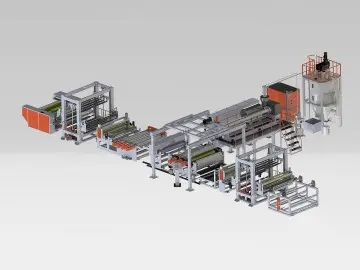
GWELL Machinery Co., Ltd. presents advanced ASA casting film systems designed for high weatherability application layers.
Explore Line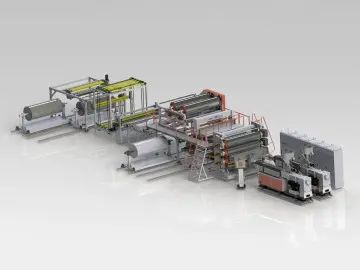
High-precision thermoplastic polyurethane film extrusion for functional textiles and medical materials laminations.
Explore Line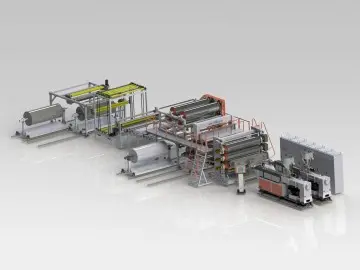
Produces versatile, high-stretch TPU films suitable for automotive paint protection and waterproof membranes.
Explore Line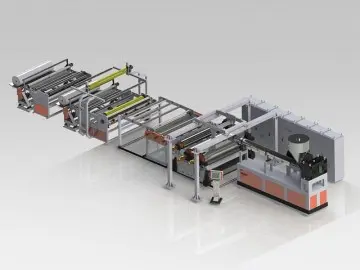
Specially engineered for PVDF solar backplane membranes as a reliable alternative to standard fluoropolymer layers.
Explore Line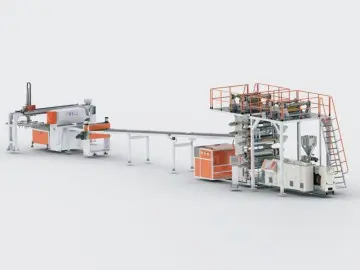
Cutting-edge technology for manufacturing durable, waterproof composite panels for flooring and cladding.
Explore Line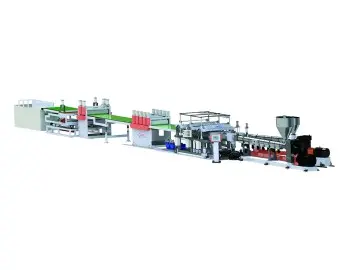
High efficiency, automated controls, and optimized parameters for constructing high-reuse concrete formworks.
Explore Line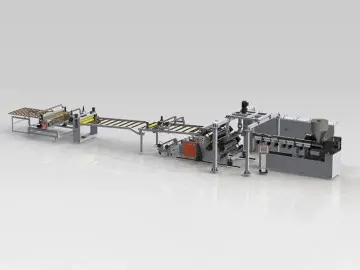
High-temperature material handling for critical engineering plastics utilized in chemical processing and aerospace.
Explore Line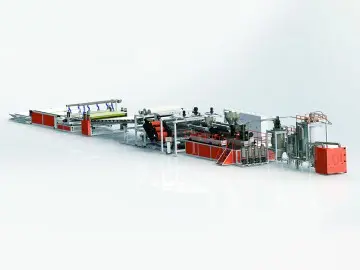
State-of-the-art thick board extrusion lines ensuring bubble-free profiles and structural consistency.
Explore Line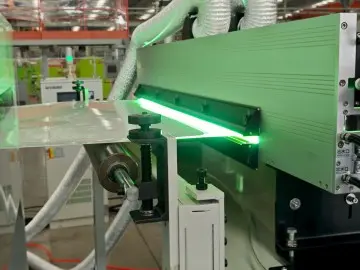
High-performance transparent copolyester sheet system combining rigidity, impact strength, and chemical resistance.
Explore Line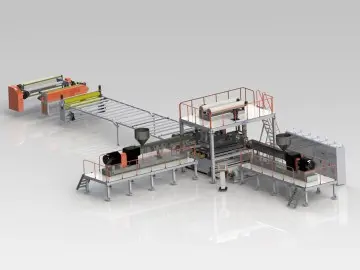
Innovative systems producing multi-functional, recyclable elastomer sheets for automotive interiors.
Explore Line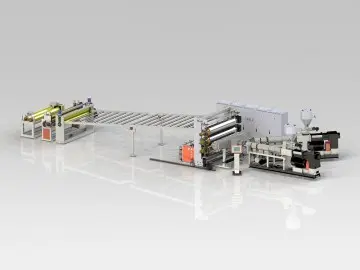
Optically clear PVC sheet systems engineered for partition walls and thermoforming packaging.
Explore Line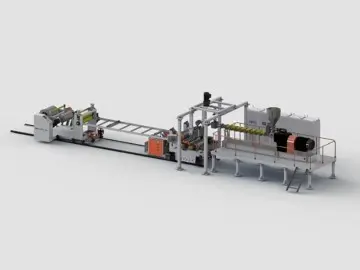
Multi-layer co-extrusion for stationary products, partition folders, and consumer packaging.
Explore Line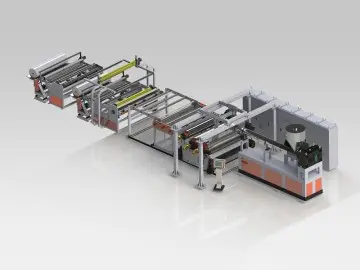
Engineered to meet the demand for heavy-duty safety glass interlayers in architectural facades.
Explore Line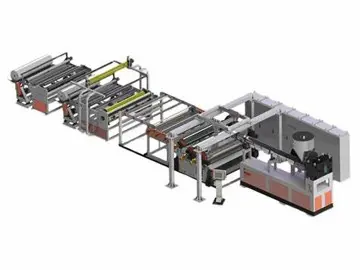
High-yield, specialized cast systems for manufacturing advanced solar encapsulation films.
Explore Line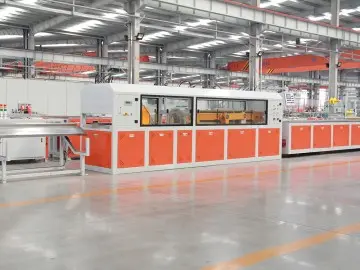
Advanced composite pultrusion systems for robust, corrosion-resistant solar frame panels.
Explore Line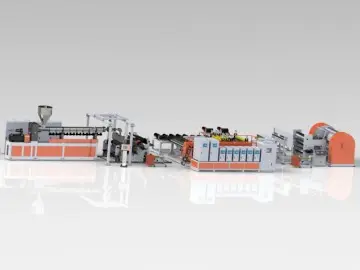
PPS membrane separator manufacturing line designed specifically for hydrogen electrolysis cells.
Explore LineChina Gwell Machinery is a high-tech enterprise dedicating to the manufacture of plastic extrusion lines for Film, Sheet and Profile. Relying on the powerful technology and equipment of group and innovative spirit , GWELL commits to the development of high-tech products and international market. “Expertise creates customers’ values” has always been the company’s operating philosophy.
With deep engineering expertise, we configure our extrusion screws, calibration zones, and winders to match specific polymer characteristics. Our global projects are supported by rigorous quality control systems and in-house laboratory trials, ensuring each line meets technical standards before shipment.
View More Products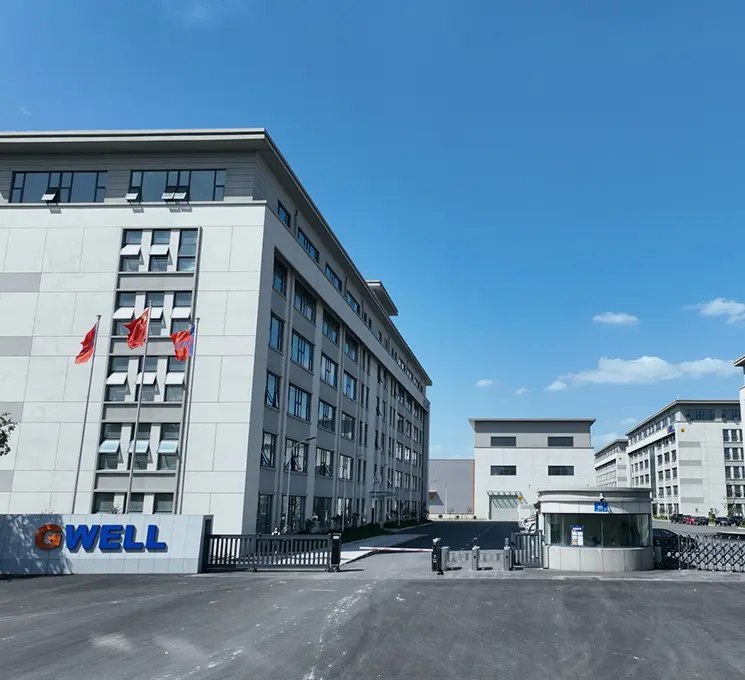
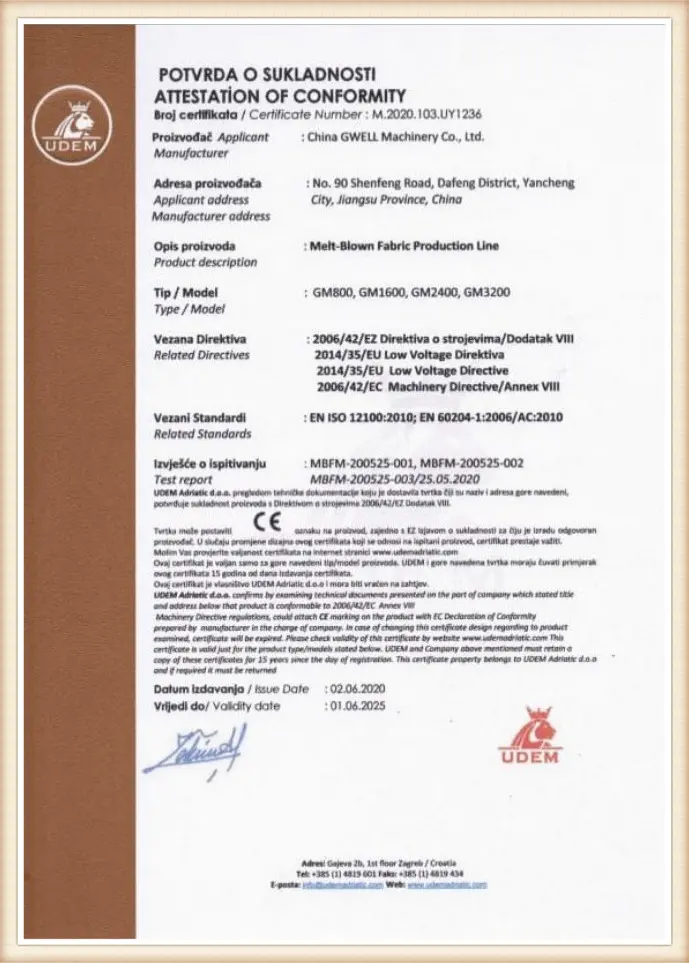
Our manufacturing workflow is certified to international safety and quality standards.
Get professional answers to common questions about waterstop manufacturing machinery, screw configurations, and material processing.
A: A conical twin-screw extruder is generally preferred for flexible PVC formulations. It provides excellent thermo-mechanical control, high torque at low screw speeds, and avoids degradation of shear-sensitive plasticized PVC compounds.
A: We use segmented vacuum calibration systems and specialized tempering cooling baths. Since the center bulb of the waterstop holds heat longer than the thin side ribs, differential cooling zones ensure the entire profile cools uniformly, preventing warping.
A: Yes. Gwell extrusion screws are engineered with customized compression ratios and surface treatments (like chrome plating or bimetallic coatings) to handle Ca-Zn stabilizers, which have a narrower thermal processing window than traditional lead-based stabilizers.
A: Output varies depending on the extruder model and profile size. Standard lines run between 150 kg/h to 450 kg/h, matching downstream cooling and winding capacities to ensure continuous, high-efficiency production.
A: Yes, we provide co-extrusion systems that integrate a secondary co-extruder with a multi-manifold die block. This allows the co-extrusion of a standard PVC core with hydrophilic swelling rubber edges in a single run.
A: We use high-grade 38CrMoAlA alloy steel treated with deep gas nitriding. For abrasive recycled compounds, we offer premium bimetallic screw flights and barrel liners to resist abrasion and extend wear life.
Stay informed on upcoming exhibitions, technological updates, and new machine launches.
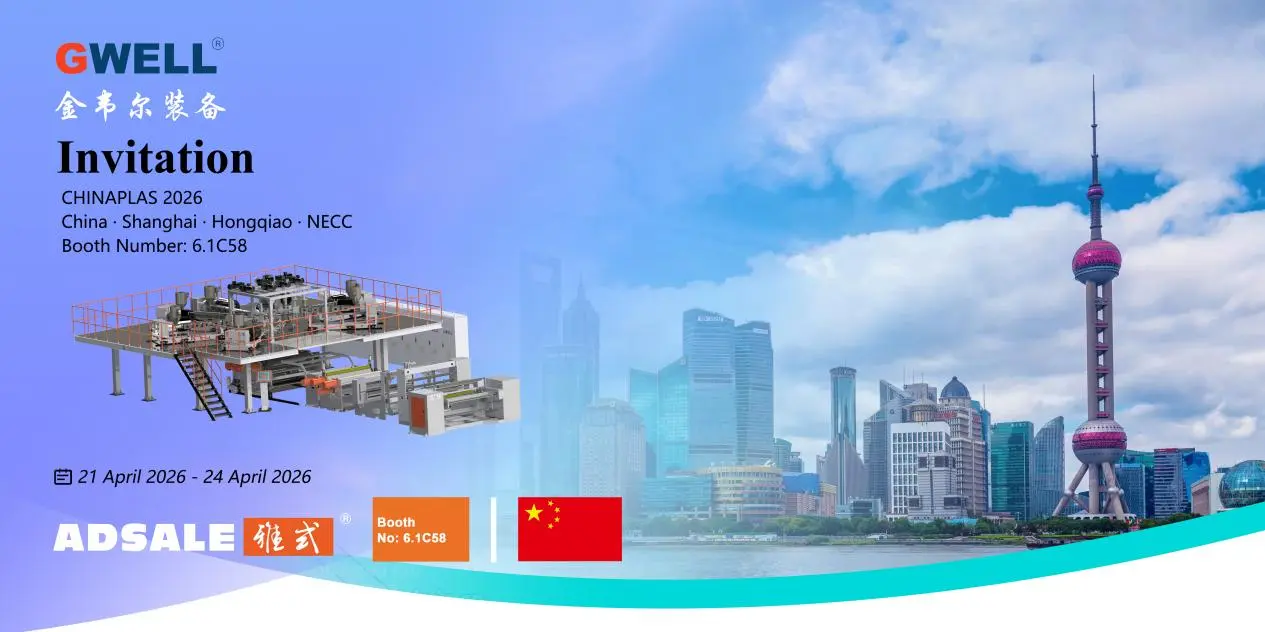
GWELL will showcase its latest high-precision extrusion technologies and energy-saving sheet production equipment at the upcoming trade event.
Announcing the deployment of our automated POE leather extrusion line, designed for eco-friendly automotive interior materials.
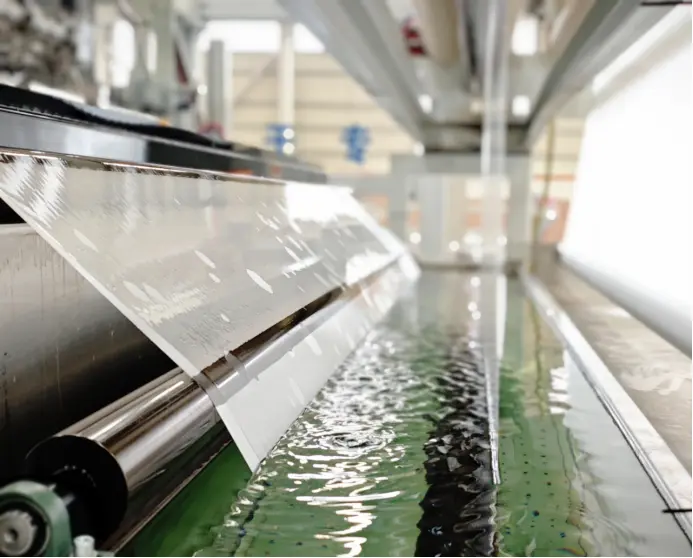
Our high-precision, high-compatibility PVB wedge-shaped interlayer extrusion line successfully passed FAT for automotive safety glass applications.
Discover Gwell's specialized machinery portfolios, including medical-grade, solar, and high-performance engineering sheet production lines.
GWELL's in-house R&D and precision machining capabilities are trusted by global manufacturers. Connect with our engineering sales team to customize your extrusion line layout today.
Send Technical Inquiry