1. Executive Summary & Structural Importance of PE Water Stops
In structural engineering and civil construction, underground concrete structures are continuously exposed to hydrostatic pressure, chemical attacks, and mechanical displacement. Among these structures, septic tanks and industrial wastewater storage installations present the most aggressive chemical environments, containing high concentrations of hydrogen sulfide (H₂S), organic acids, sulfates, and chlorides. If joint sealing fails, contaminated wastewater leaks into local aquifers, causing severe environmental damage and structural compromises.
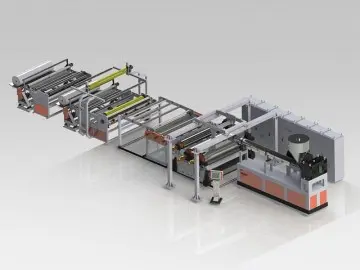
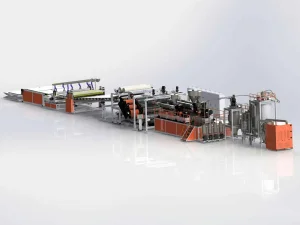
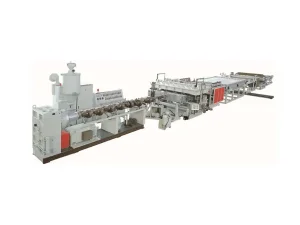
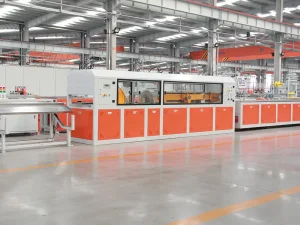
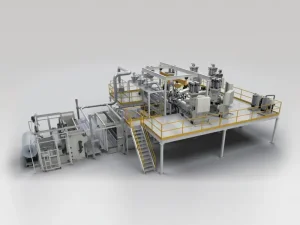
The Polyethylene (PE) Water Stop is a critical engineering component designed to span concrete joints and provide a continuous, high-durability physical barrier against water and chemical permeation. Unlike traditional Polyvinyl Chloride (PVC) water stops, high-quality Polyethylene exhibits superior resistance to stress cracking, enhanced flexibility at sub-zero temperatures, and unparalleled chemical inertness. The manufacturing of these complex, profiles requires state-of-the-art extrusion lines capable of maintaining tight tolerances, high mechanical consistency, and high production speeds.
"Ensuring zero leakage in septic systems requires water stops with high molecular density, uniform mechanical properties, and precise cross-sectional geometry. Our advanced PE Water Stop Extrusion Lines are engineered to deliver these parameters reliably, shift after shift."
2. Advanced Technical Specifications & Extrusion Engineering Blueprint
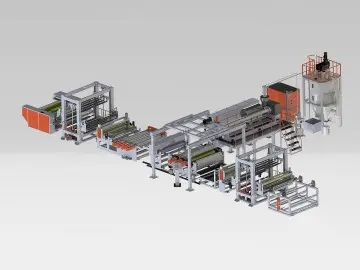
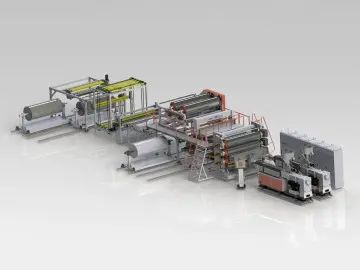
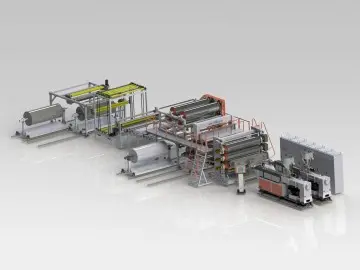
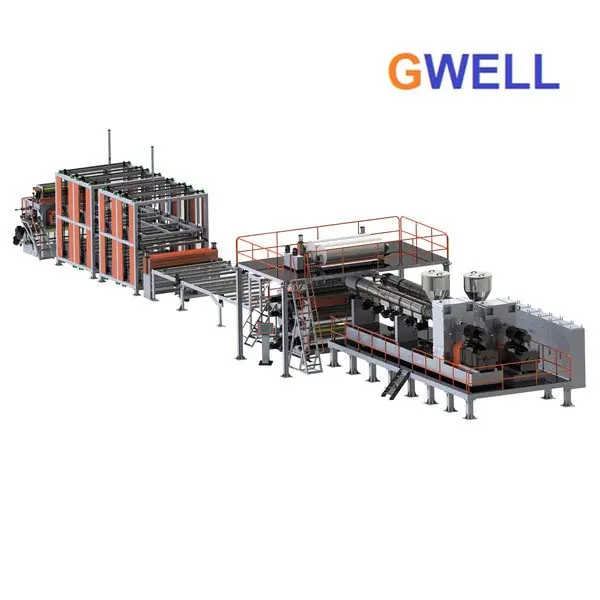
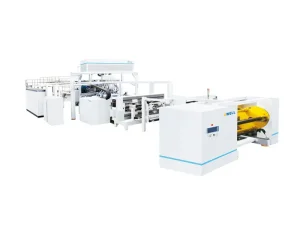
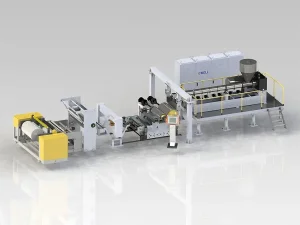
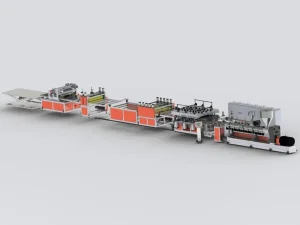
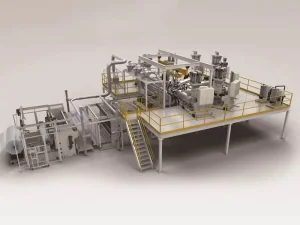
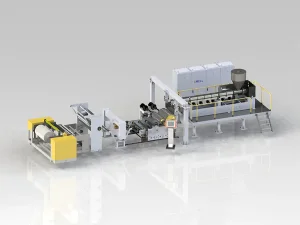
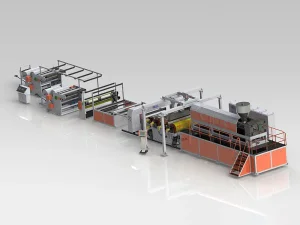
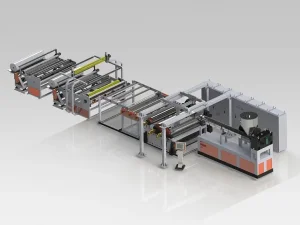
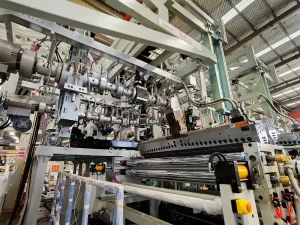
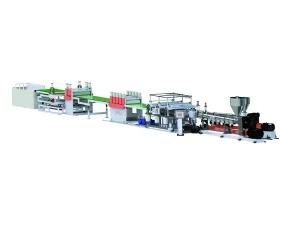
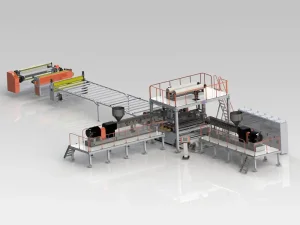
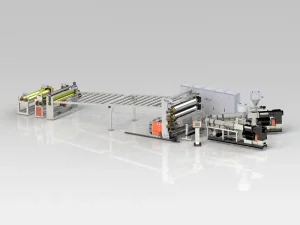
Our PE water stop extrusion equipment integrates several critical technological sub-systems to process high-molecular-weight polymers without thermal degradation or mechanical shear stress. The process flow is designed to maximize polymer melt uniformity and profile stability.
Extrusion Screw & Barrel Design
High-Density Polyethylene (HDPE) and Linear Low-Density Polyethylene (LLDPE) mixtures require precise temperature control during plasticization. Our extruders utilize a specialized 30:1 or 33:1 L/D (Length/Diameter) ratio single-screw design. The screw features barrier-type mixing sections and custom flight geometries that prevent localized overheating while ensuring thorough blending of additives, pigments, and UV stabilizers.
High-Precision Die Head and Calibration System
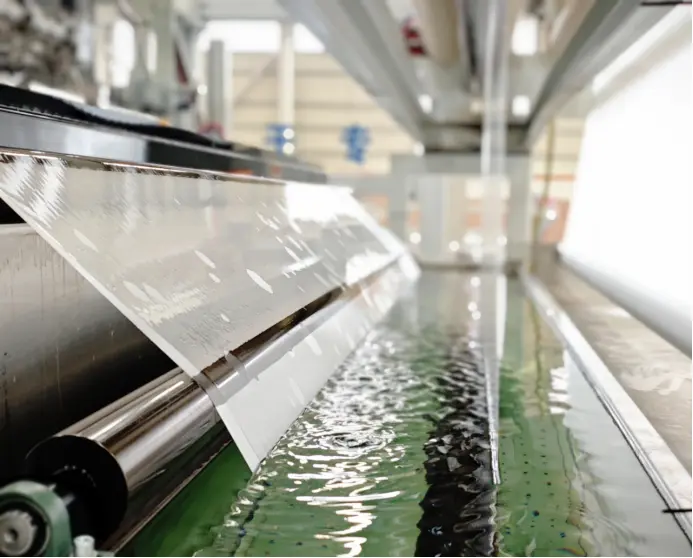
The water stop's ribbed geometry requires precise co-extrusion or complex profile dies. Made from high-grade chromium-moly-alloy steel, our dies undergo precision CNC machining and internal polishing to minimize shear stress. The calibration table employs advanced vacuum calibrators and water-spray cooling systems, locking in the cross-sectional shape and preventing shrinkage or deformation as the profile solidifies.
3. Global Industrial & Commercial Landscape
The global demand for high-performance waterproofing systems has surged due to stricter environmental regulations and massive infrastructure investments in both developed and developing regions. Governments in Europe, North America, and East Asia are enforcing strict containment standards for domestic and industrial septic systems. Consequently, civil engineering firms are moving away from traditional sealants toward integrated PE and TPO structural water stops.
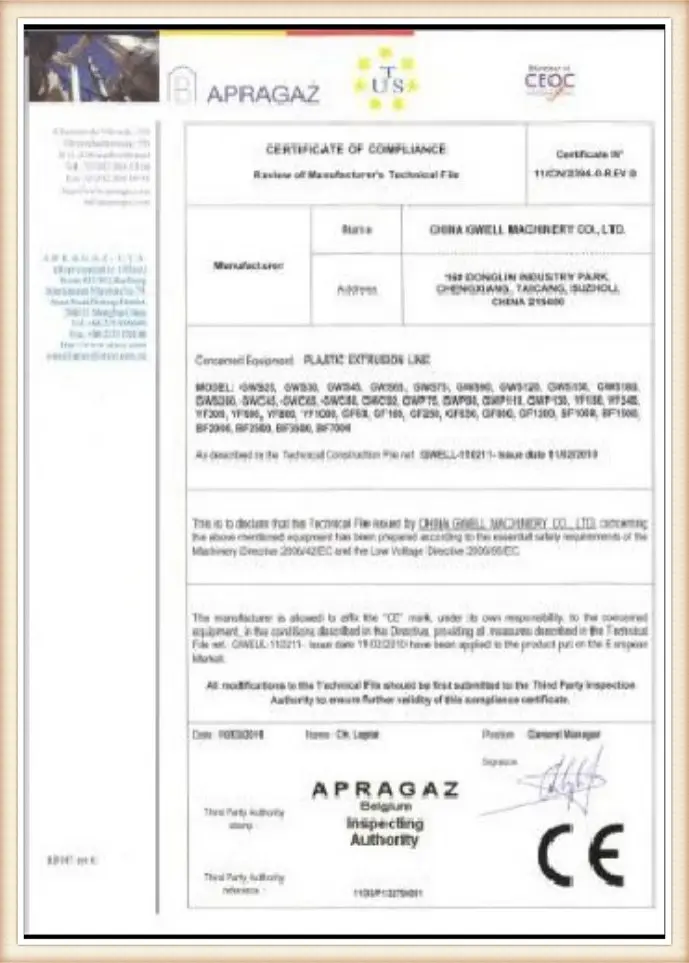
Currently, the market demands water stops that can withstand extreme environmental conditions: from the hot, corrosive soil chemistry of the Middle East to the sub-zero freeze-thaw cycles of Northern Europe. Multi-national construction consortiums require water stops manufactured to strict international standards such as ASTM D570 (Water Absorption), ASTM D638 (Tensile Strength), and EN 12390 (Concrete Water Penetration resistance). Our extrusion lines enable global exporters to manufacture certified products that meet these specifications consistently.
4. Localized Application Scenarios & Case Studies
The application of PE water stops extends beyond simple concrete joint placement. Here are three distinct operational environments where PE water stops fabricated on Gwell lines excel:
- Municipal Wastewater Treatment & Septic Storage (North America): In areas with high groundwater levels, septic tanks must resist water ingress to prevent overflow, and water egress to prevent local soil contamination. PE water stops co-extruded with hydrophilic swelling strips provide a double barrier that expands in contact with moisture, ensuring sealing even during minor structural settlement.
- Agricultural Anaerobic Digestor Tanks (Western Europe): Agricultural waste processing produces volatile organic compounds and corrosive biogas. The chemical resistance of PE makes it the material of choice over PVC, which tends to leach plasticizers and brittle over time in contact with organic lipids.
- Heavy Industrial Chemical Containment Bunds (Southeast Asia): In industrial zones subject to tropical heavy rainfall and high humidity, the concrete bunds surrounding chemical tanks require flexible expansion joints. PE water stops produced with Gwell's vacuum sizing technology maintain structural integrity up to 80°C under load.
5. Technology Roadmap & Future Outlook
Our R&D department continues to innovate the next generation of plastic extrusion technology. The roadmap for Gwell extrusion systems focuses on three core pillars:
AI-Driven Closed-Loop Control Systems
Integration of real-time laser measurement systems with dynamic feedback loops. If the system detects a micro-deviation in the thickness of the water stop rib, the extruder screw speed and haul-off pull rate automatically adjust in real time, reducing material waste and ensuring zero defects.
Multi-Layer Co-Extrusion and Hydrophilic Co-Processing
Developing die heads that allow the simultaneous co-extrusion of a rigid PE core for structural stability, soft PE ribs for flexibility, and a swelling thermoplastic elastomer (TPE) strip for active water sealing. This eliminates manual post-extrusion assembly processes.
Energy-Efficient Electromagnetic Induction Heating
Replacing traditional ceramic band heaters on the extruder barrel with electromagnetic induction systems, cutting energy consumption by up to 35% and providing fast thermal response times for precise temperature control.