
Explore our high-performance casting, sheeting, and laminating machine portfolios engineered for global compliance and extreme durability.
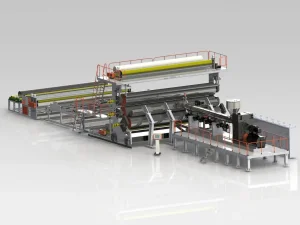
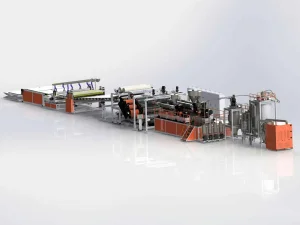
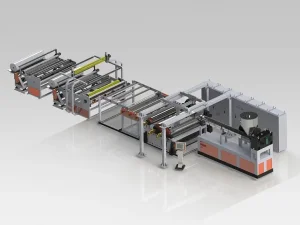
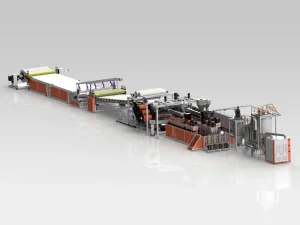
A technological shift toward circular economies and green synthetic materials.
The global synthetic leather industry is undergoing an unprecedented structural transition. Traditional PVC (Polyvinyl Chloride) and DMF-based wet PU (Polyurethane) synthetic leathers are rapidly being phased out due to stringent environmental policies, such as the European Union's REACH regulation and the global push for zero volatile organic compound (VOC) emissions. At the forefront of this industrial revolution is TPU (Thermoplastic Polyurethane) and TPE (Thermoplastic Elastomer) composite leather extrusion technology.
Unlike older chemical manufacturing methods, TPU/TPE composite leather production utilizes solvent-free thermal extrusion. By laminating structural elastomer films directly onto various textiles (such as polyester, microfibers, or bio-based fabrics) using high-precision calendar systems, manufacturers eliminate toxic solvents, wastewater treatment penalties, and intensive drying energy overheads. The resulting material boasts superior wear resistance, hydrolytic stability, low-temperature elasticity, and recyclability.
Achieving leather-like softness (hand-feel), tensile strength, and color matching requires precise control over polymer rheology. Modern co-extrusion production lines deploy specialized single-screw or co-rotating twin-screw extruders designed specifically to mitigate shear heat. TPU is notoriously shear-sensitive; excessive localized heat can degrade the polymer chain, resulting in viscosity fluctuations, pinholes, and reduced physical properties.
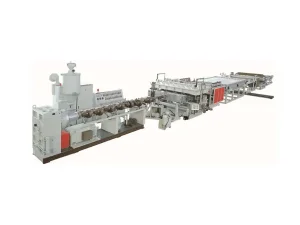
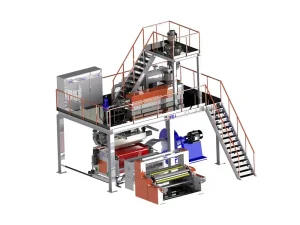
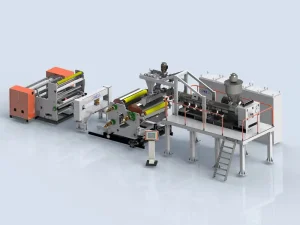
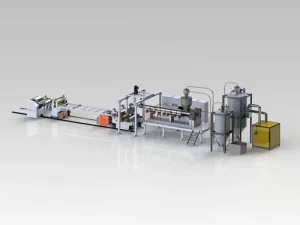
Integrating innovative mechanical designs with dynamic raw-material versatility across board, sheet, solar, and cast film lines.
Gwell Machinery incorporates state-of-the-art automation loops designed to satisfy rigorous global manufacturing expectations. Our machinery focuses on optimizing polymer melt stability, reducing raw energy footprint, and maintaining operational safety.
The co-extrusion feedblock system allows for exact configuration of the internal layer distribution. Whether configuring a simple A-B structure or a highly complex A-B-C-B-A five-layer configuration, Gwell's custom manifolds ensure stable interfaces. Minimal layer mixing keeps optical, tactile, and mechanical properties isolated in their respective layers, optimizing chemical profiles without wasting expensive masterbatches.
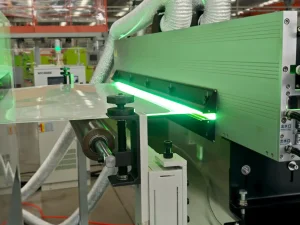
The thermal transition zone where molten TPU/TPE meets the substrate textile requires instant, uniform cooling to set the surface texture. Gwell designs its calendar rollers with internal spiral channels for optimized water circulation. This design maintains surface temperature deviations across the roller face at less than ±1°C, preventing surface stress concentrations and keeping the leather composite flat, wrinkle-free, and dimensionally stable.
Elastomeric composites are highly prone to stretching during pulling. If the line tension is not carefully regulated, the wound roll will compress internally, leading to interlayer blocking and structural distortion. Gwell implements active dancer-roll feedback systems linked with Siemens vector drives. Tension is maintained at a minimal setting, ensuring consistent product roll shapes.
Delivering high-value applications across highly regulated markets.
In North America and the European Union, OEMs require synthetic leather materials with ultra-low VOC emissions and high flame retardancy. Gwell TPU composite leather line delivers materials that meet standard VDA 278 (VOC/FOG) specifications, ideal for high-end dashboards, door panel wraps, and seat coverings.
For electronic device cases, protective sleeves, and skin-contact medical straps, chemical safety is non-negotiable. Our TPE/TPU composite lines are optimized to process medical-grade raw materials, ensuring biocompatibility, chemical resistance to sweat and oils, and compliance with FDA regulations.
The footwear industry in Southeast Asia and Europe is rapidly replacing PU coagulated leather with recyclable TPU composites. By integrating our inline hot-melt coating systems, sports shoe manufacturers achieve seamless, high-tensile material designs while significantly reducing labor costs.
China GWELL Machinery is a high-tech enterprise dedicated to the design and manufacture of plastic extrusion lines for Film, Sheet, and Profiles. Leveraging our extensive engineering capabilities, we offer tailored equipment that helps customers capture dynamic market segments.
Our core mission is "Expertise creates customers' values." By focusing on continuous hardware design iterations, software optimization, and providing end-to-end technical support, we help global plastic processing enterprises remain highly competitive.
View Corporate Profile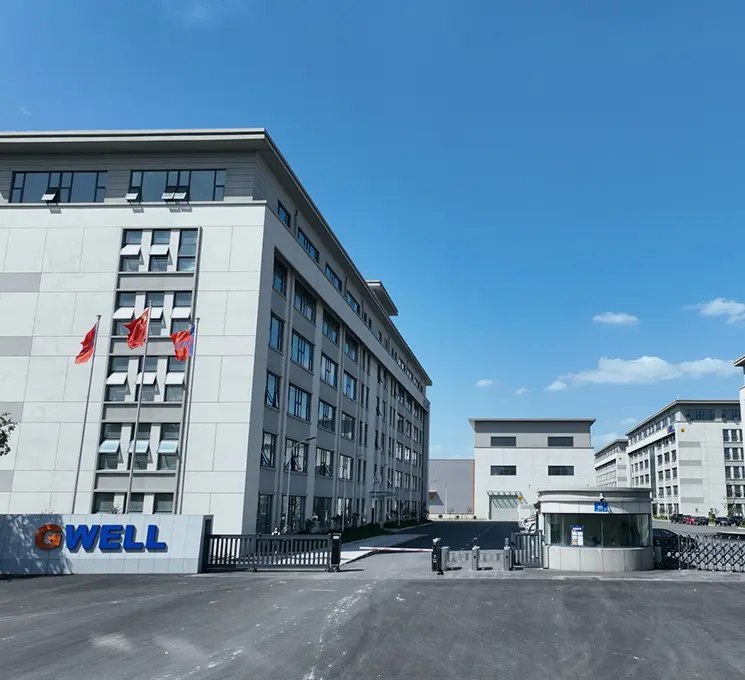
Our core advantages guarantee robust operations, reliable quality, and comprehensive global service coverage.
We work closely with leading universities and research institutes to integrate state-of-the-art polymer processing physics into our extruder screw designs and machinery hardware.
We provide full-lifecycle service, including initial layout planning, raw material formulation assistance, online installation monitoring, and local technical support.
With three manufacturing bases totaling 866,000 square meters, we achieve an annual production capacity of over 1,000 high-performance extrusion lines.
Our machinery configurations are exported globally, running reliably in factories across North America, the EU, South America, and Southeast Asia.
Supported by more than 500 dedicated employees, including over 100 mechanical design, electrical, and polymer processing engineers.
As target markets push for zero-waste production and highly automated factories, Gwell is continuously updating its machinery configurations to meet future industry requirements.
Our next-generation extrusion lines feature integrated cloud monitoring. Real-time data from the gravimetric dosing system, melt pumps, automatic T-dies, and scanning gauges are analyzed by predictive models. Any deviation in product thickness or density is corrected before it goes out of tolerance, minimizing startup waste and scrap rates.
Traditional fossil-based TPU is increasingly being blended with bio-derived monomers (such as corn starch or vegetable-based polyols). Processing these heat-sensitive biopolymers requires lower, more stable melting temperatures. Gwell is developing customized screw designs to handle these sensitive materials, enabling customers to manufacture certified carbon-neutral composite synthetic leather.
To simplify recycling processes, Gwell is researching direct extrusion of multi-hardness TPU composites. By co-extruding a soft foam-like core layer between two thin solid skins, we can achieve natural leather resilience and strength without using traditional fiber backings. This single-material structure makes the final product easy to recycle at the end of its useful life.
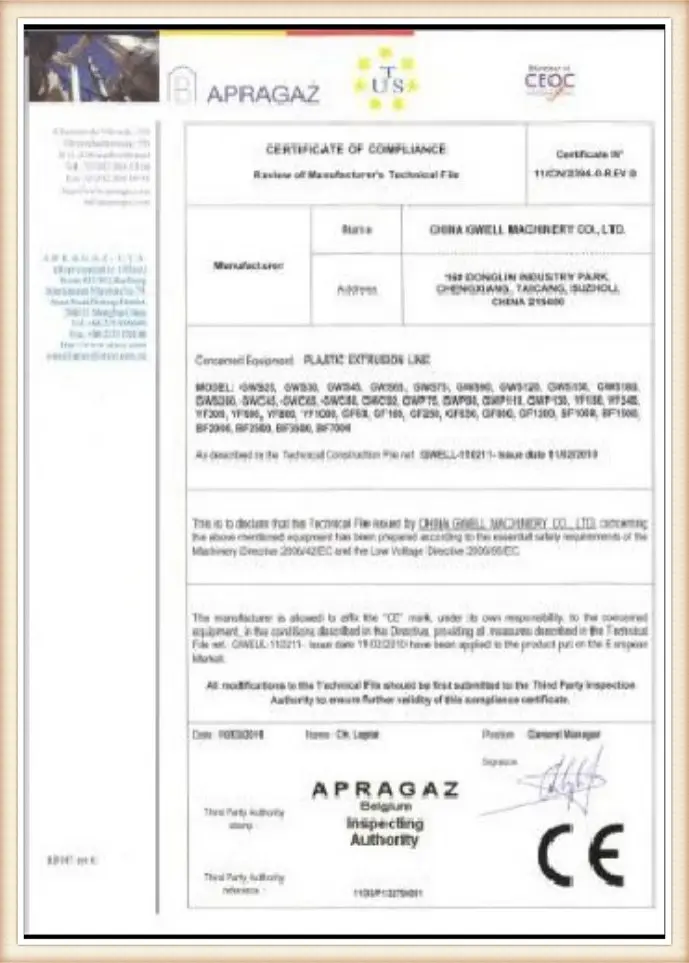
Operating complex extrusion machinery requires reliable technical support and safety certification. Gwell ensures all exported systems comply with local manufacturing regulations and are fully supported by our engineering networks.
Expert answers to common questions about purchasing, configuring, and operating TPU/TPE composite extrusion machinery.
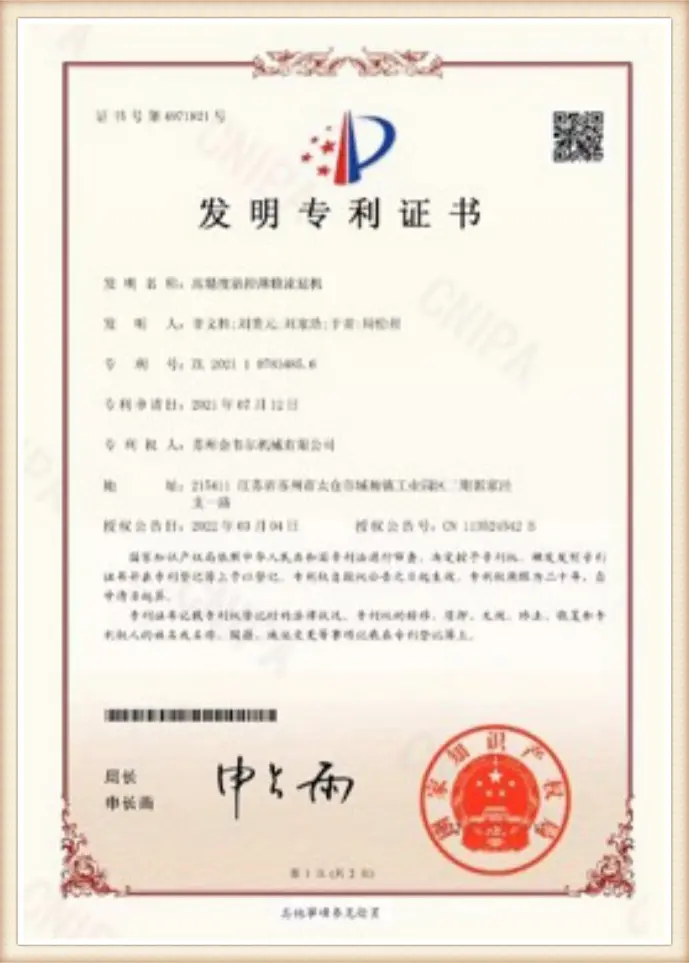
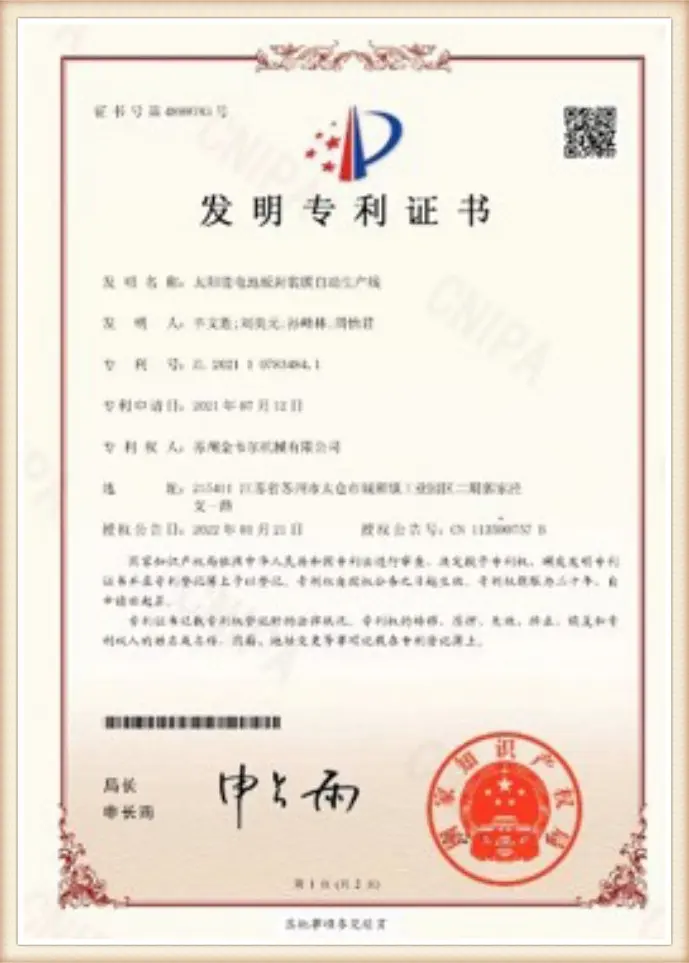
Our engineering processes and mechanical assemblies are fully certified to guarantee long-term operational safety.
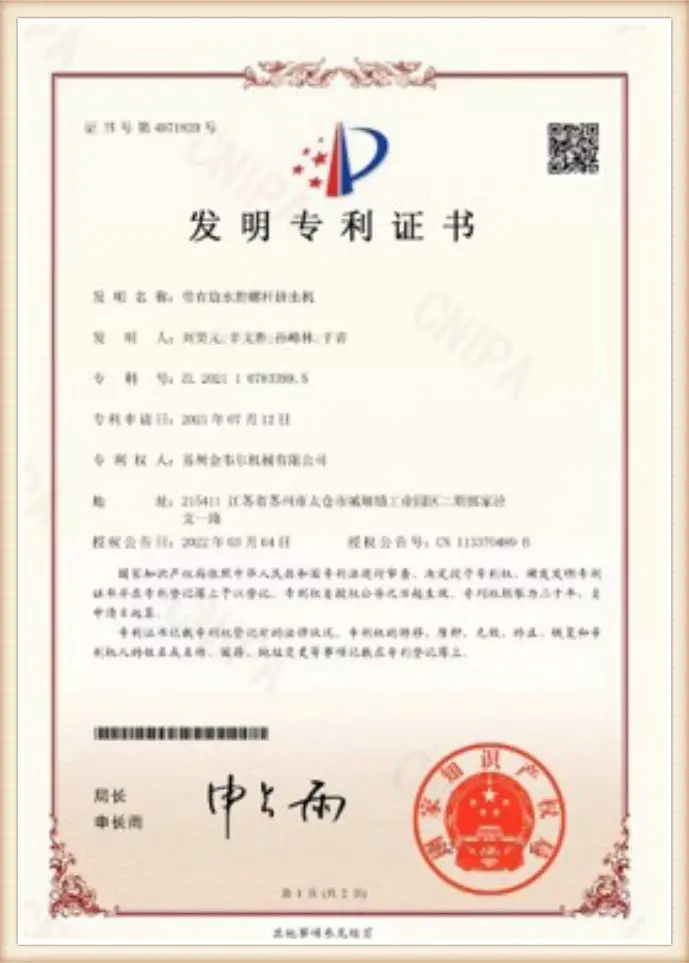
Keep up with Gwell's recent technology developments, new product launches, and upcoming exhibitions.
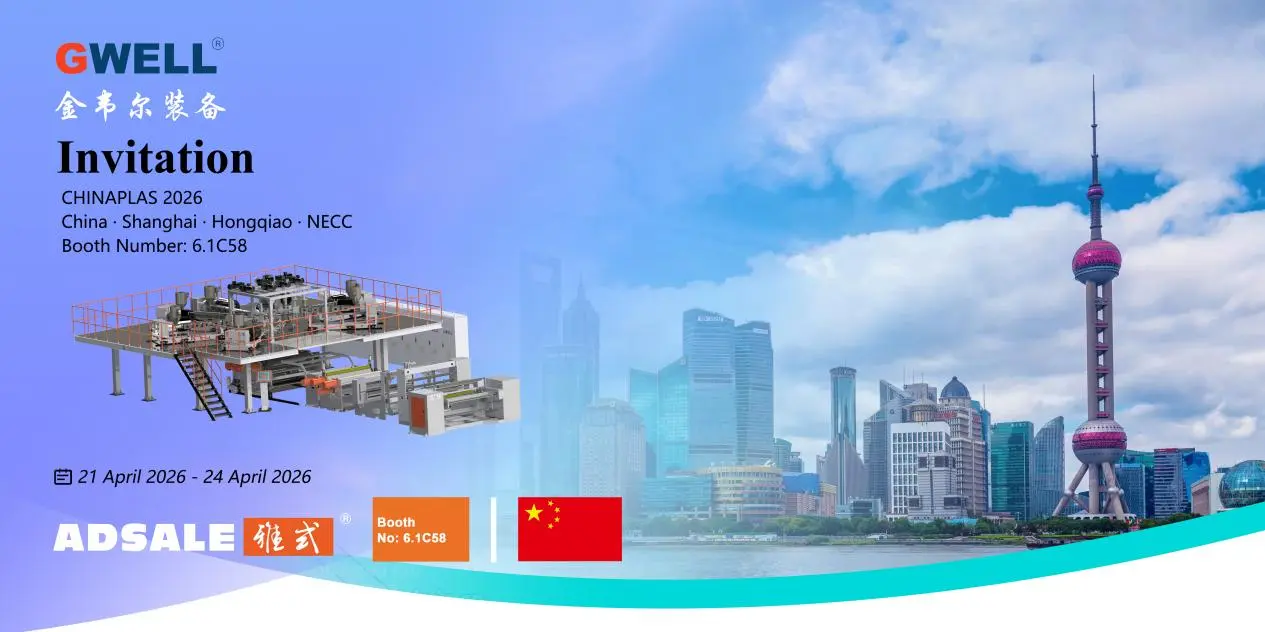
Join us at the upcoming international plastic and rubber exhibition to see our latest multi-layer film lines in action.
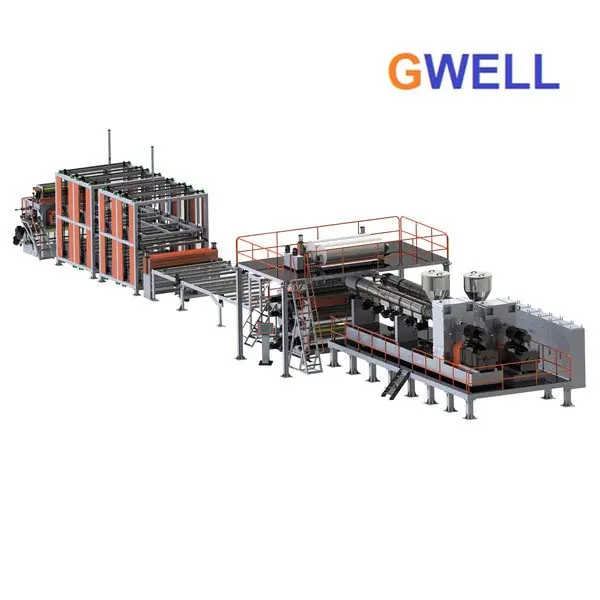
We are officially shipping our high-efficiency POE leather composite line, designed to meet the latest low-odor specifications for automotive cabins.
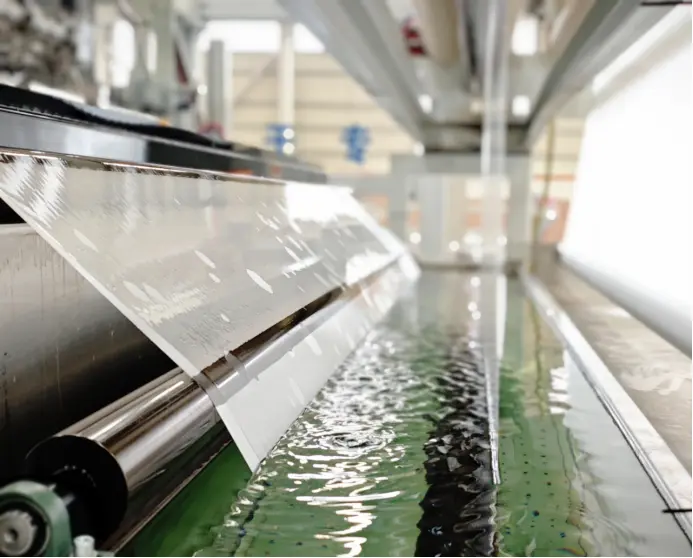
Designed for automotive windshield laminates, Gwell's new PVB wedge line offers excellent thickness stability and optical clarity.




Browse our complete list of industrial sheet and casting machinery configurations designed to optimize processing efficiency.
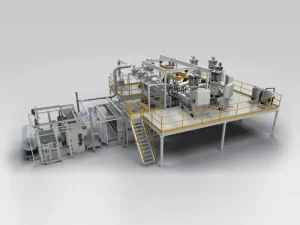
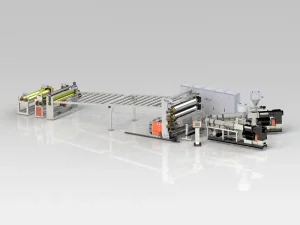

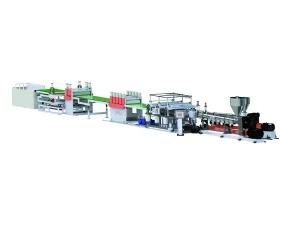
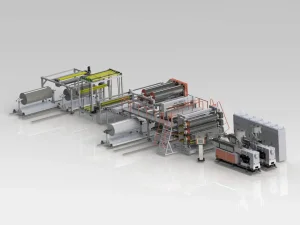
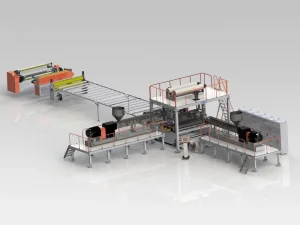
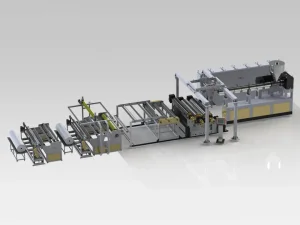
Discuss your raw material choices, target roll specifications, and factory floor layouts with Gwell's engineering team.
Send Production Inquiry