
Highly customized plastic extrusion lines calibrated specifically to meet the strict quality, safety, and environmental standards of the New Zealand market.
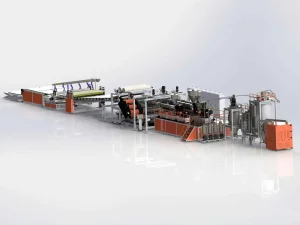
Designed for Building-Integrated Photovoltaics (BIPV) applications, producing high-impact resistant PVB interlayer films that meet structural requirements.
View Specifications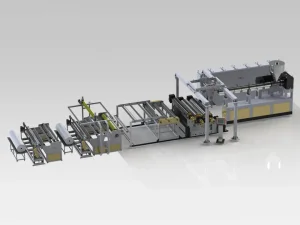
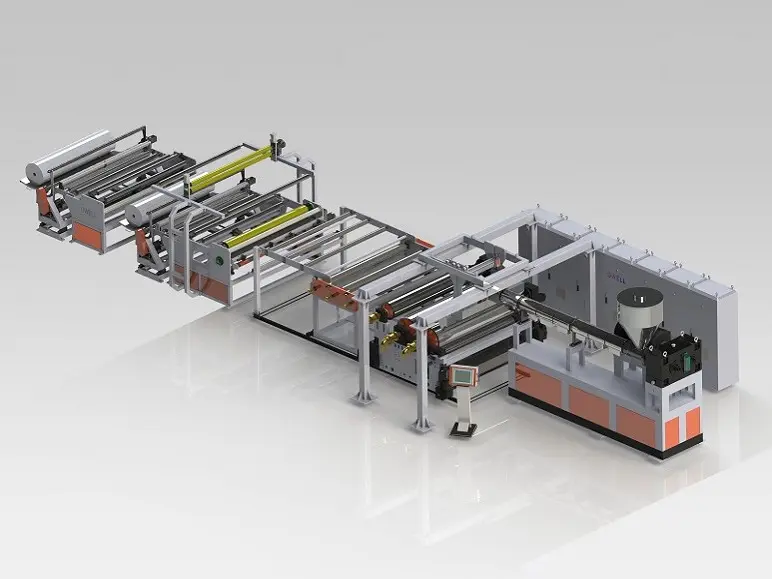
High-efficiency co-extrusion technology for multi-layer EPE film production, balancing cost and moisture barrier performance for local PV modules.
View Specifications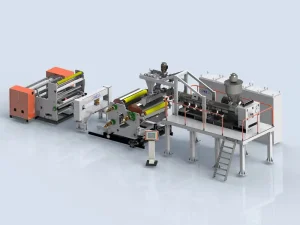
Engineered for high-yield output of PID-resistant POE and EVA films, ensuring long-term durability in high-UV oceanic climates.
View Specifications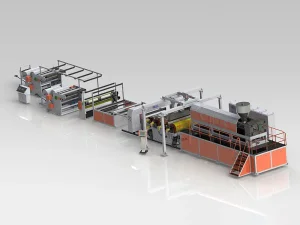
Industry-proven extrusion technology delivering precise thickness tolerances and low thermal shrinkage rates for large utility-scale modules.
View SpecificationsNew Zealand's commitment to achieving a 100% renewable electricity grid by 2030 and a net-zero carbon economy by 2050 has sparked an unprecedented expansion in solar photovoltaic (PV) deployment. However, the country's unique geographical profile—characterized by high solar radiation levels, extreme UV exposure, and a highly corrosive marine environment—imposes exceptional physical demands on solar infrastructure. In this challenging landscape, the quality of solar encapsulation materials and structural profiles determines the economic viability and lifespan of installations.
Did you know? Solar panels deployed in coastal regions of New Zealand face accelerated degradation due to airborne salt spray. High-performance POE (Polyolefin Elastomer) encapsulation films manufactured with precise material distribution are critical to mitigating Potential Induced Degradation (PID) in these damp-heat conditions.
Unlike continental markets, New Zealand's solar installations must withstand extreme atmospheric corrosion and intense localized wind loads (in accordance with AS/NZS 1170 structural codes). Traditional PV framing and encapsulation materials often fall short over a 25-to-30-year lifecycle. This has driven New Zealand developers to prioritize local sourcing or direct manufacturing of advanced polymer films (EVA, POE, EPE) and polyurethane structural components that exhibit minimal water vapor transmission rates (WVTR) and zero yellowing under persistent ultraviolet exposure.
As a global leader in plastic extrusion technology, Gwell designs and manufactures machinery that bridges the gap between global industrial efficiency and local compliance. Our solar extrusion lines incorporate high-torque motors, advanced screw designs for high-efficiency mixing, and real-time thickness control systems to manufacture films that meet strict international IEC standards as well as local building codes.
Encapsulation is the defensive shield of a solar cell. Our co-extrusion technology enables the production of EPE (EVA-POE-EVA) three-layer composite films. This architecture merges the superior PID resistance and low water permeability of POE with the high transparency and ease of lamination associated with EVA. By producing EPE films locally in New Zealand, manufacturers can drastically lower material cost while raising module performance in extreme microclimates like Canterbury and Otago.
In coastal zones, traditional aluminum frames are prone to galvanic corrosion. Gwell's polyurethane solar frame extrusion line offers a revolutionary alternative. Polyurethane composite frames extruded with fiberglass reinforcement offer superior tensile strength, excellent thermal insulation, and absolute resistance to salt spray and chemical agents. This technology is rapidly gaining traction in New Zealand's agricultural and marine solar projects.
By investing in localized manufacturing lines, New Zealand energy enterprises can transition from dependent importers to self-sufficient producers, insulating themselves from global shipping bottlenecks and rising freight costs while certifying their products under the New Zealand Homestar and Green Star rating systems.
China Gwell Machinery is a high-tech enterprise dedicated to the manufacture of advanced plastic extrusion lines for Film, Sheet, and Profiles. Relying on the powerful technology, robust manufacturing equipment of our group, and an unrelenting spirit of innovation, Gwell commits to the development of high-tech products for the global renewable energy market. "Expertise creates customers' value" remains our core operating philosophy.
Learn More About Gwell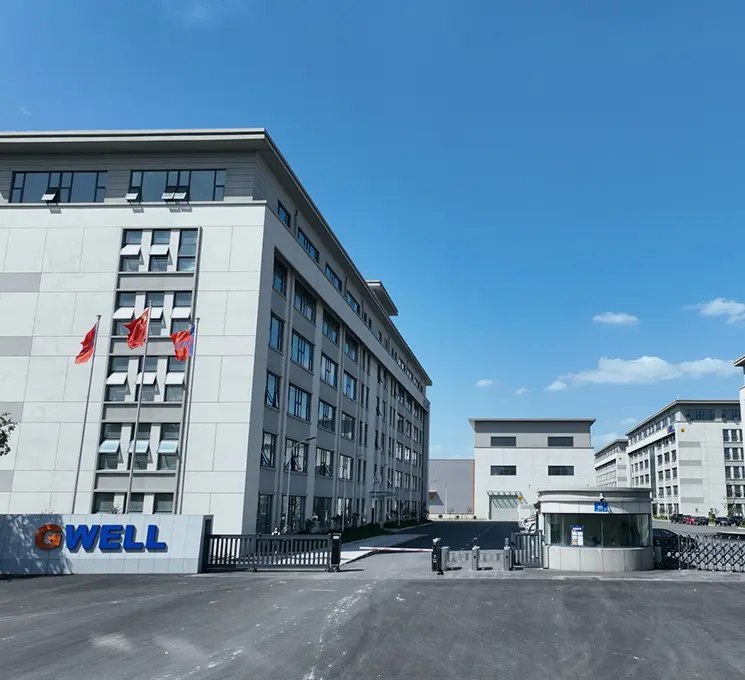
Why global solar developers and industrial polymer producers partner with Gwell for high-precision extrusion machinery.

Collaborating with leading universities and research institutes to pioneer next-gen extrusion technologies.

Providing seamless end-to-end commissioning, technical training, and responsive localized support.

Three heavy-industry manufacturing bases with an annual capacity exceeding 1,000 industrial lines.

Extrusion machinery active in over 80 countries, now offering specialized support for New Zealand.

Over 500 dedicated employees, including 100+ structural, electrical, and polymer process engineers.
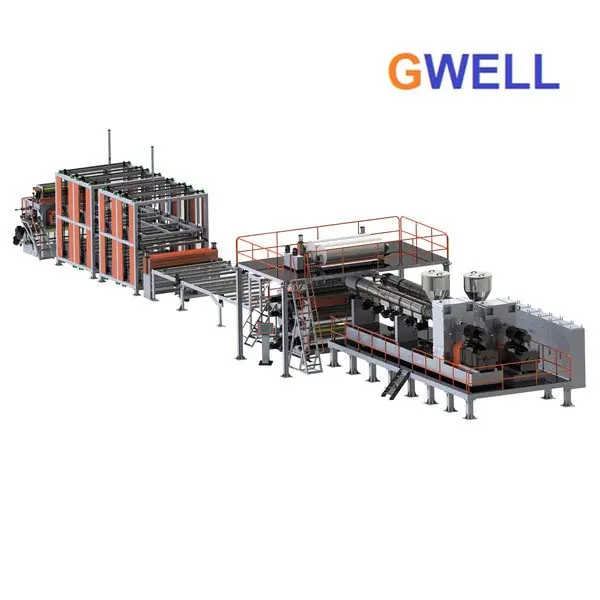
Our commitment to technical excellence is embedded in the physical design of Gwell extrusion systems. A typical solar film extrusion line is built around custom-engineered single-screw or twin-screw extruders optimized for heat-sensitive materials like EVA and POE. Because EVA begins to cross-link prematurely if melt temperatures exceed critical limits, our screws utilize specialized barrier flights and mixing elements to ensure uniform melt temperature at maximum throughput speeds.
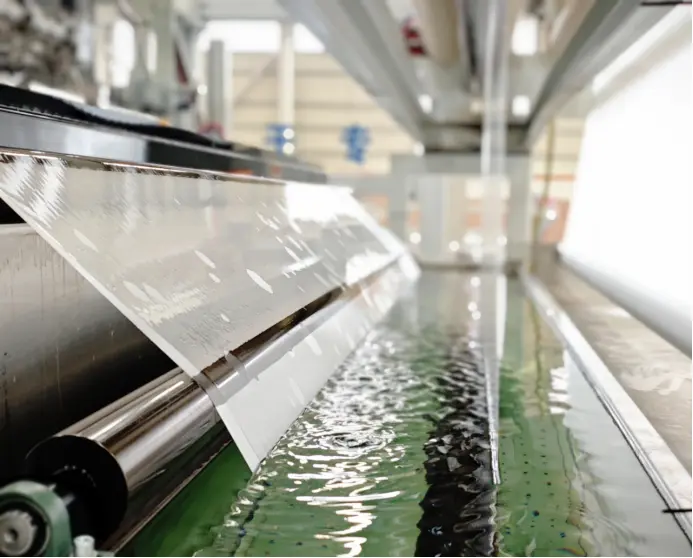
Precision thickness variation across the width of the film must be restricted to less than ±2% to avoid voids during subsequent glass-film-cell-backsheet lamination processes. To achieve this, Gwell lines feature automatic T-dies integrated with online non-contact beta-ray or infrared thickness gauges. The closed-loop control system automatically adjusts the thermal expansion bolts of the die lip, correcting micro-variations dynamically without operator intervention.
Thermal shrinkage is a critical parameter for solar film. If a film shrinks significantly when heated in the laminator, it can displace solar cells or damage delicate ribbon connections. Gwell incorporates stress-free casting rollers and tension-controlled annealing sections to eliminate internal mechanical stresses during cooling. The dual-axis automatic turret winding system controls winding tension down to the nearest Newton, ensuring that rolls shipped to New Zealand developers maintain dimensional stability under varying storage temperatures.
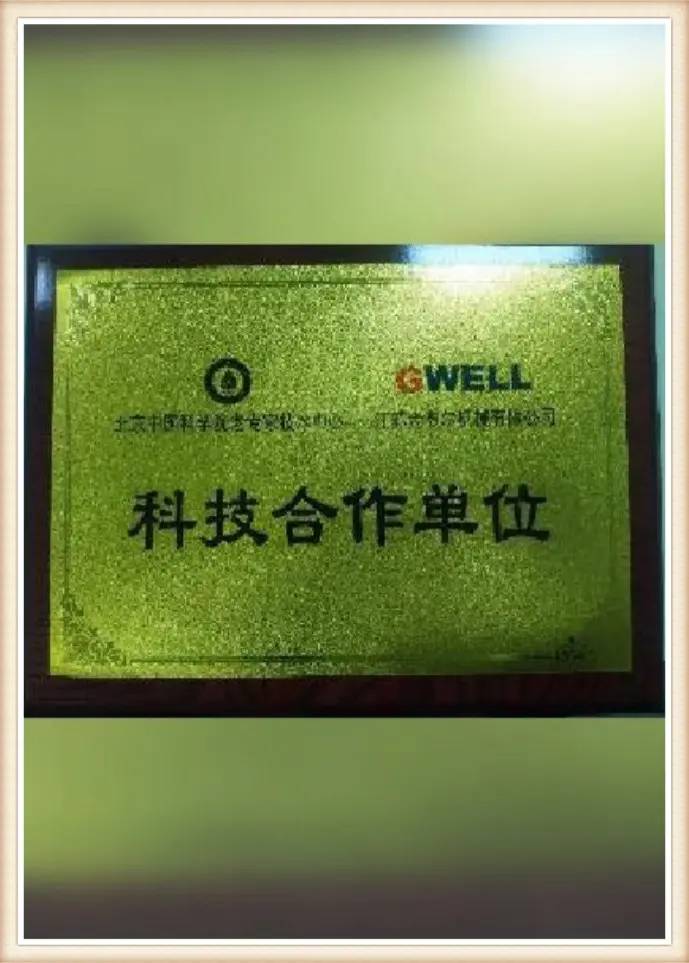
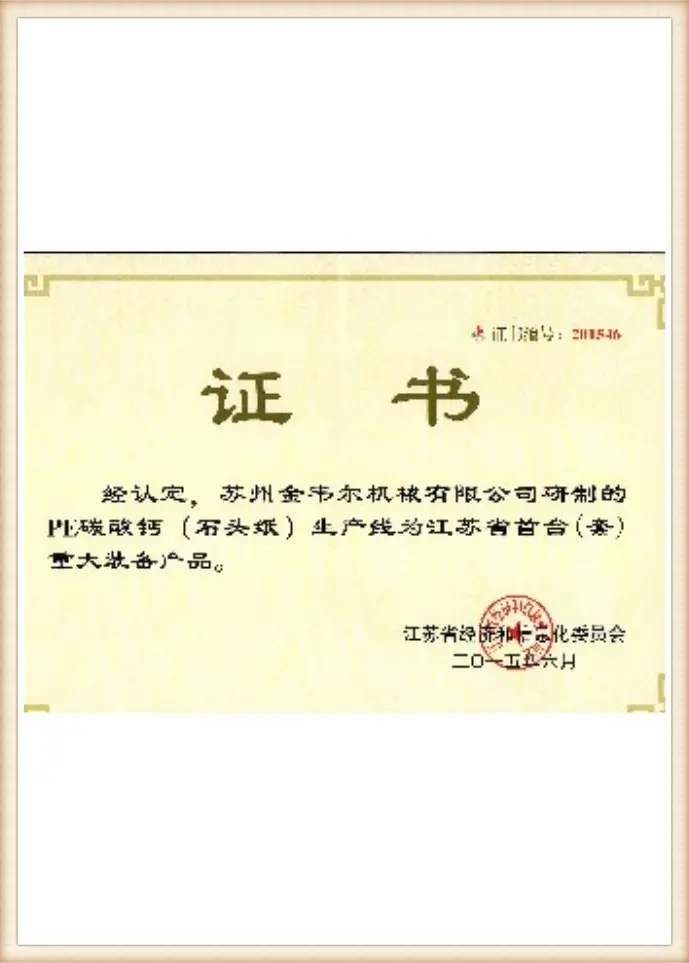
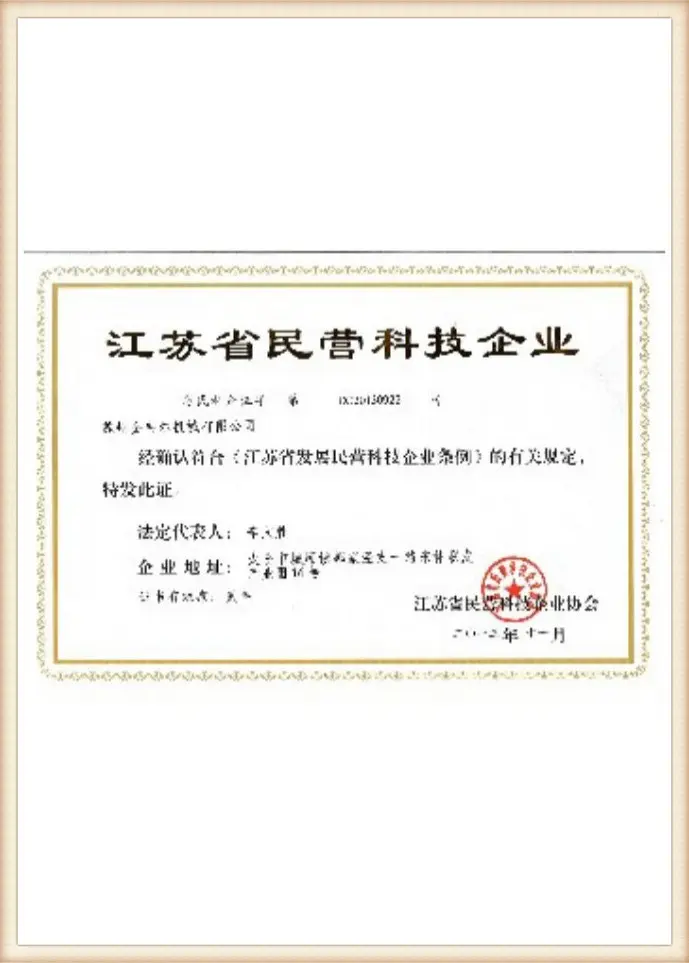
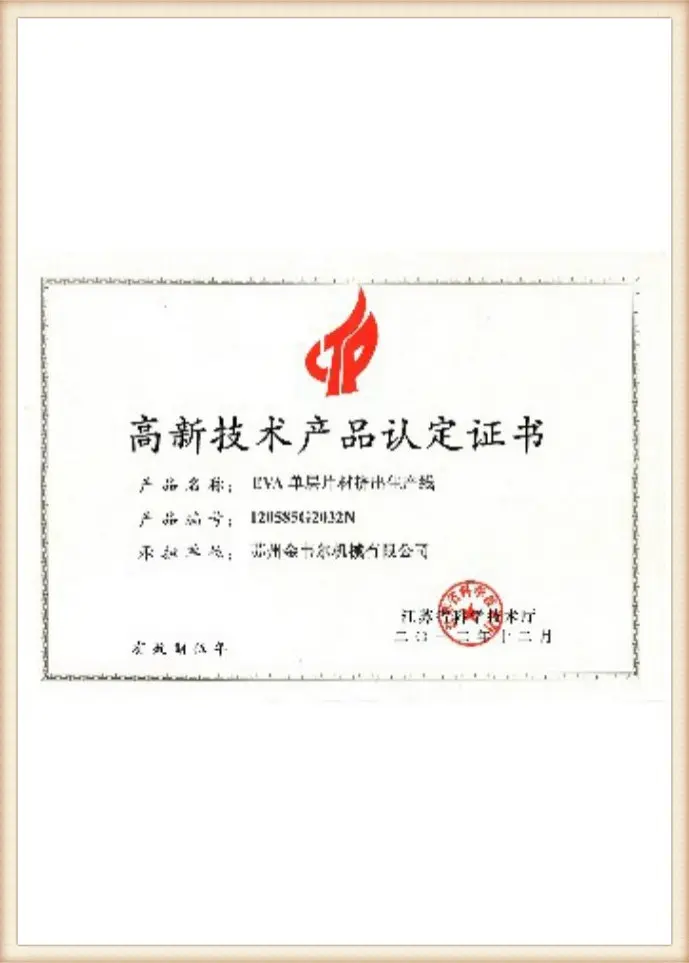
Our machinery is manufactured to comply with strict global safety, engineering, and environmental criteria.

Stay updated with current technological updates, exhibition showcases, and breakthroughs in extrusion machinery.
We work closely with global raw material suppliers and global industrial corporations to secure quality component pipelines.



Direct technical responses addressing procurement, operational efficiency, and installation parameters in New Zealand.
A1: Our extrusion systems integrate variable frequency drives (VFDs) and high-efficiency induction barrel heaters. The design optimizes thermodynamic thermal recovery loops, reducing net electricity consumption per ton of throughput by up to 18% compared to standard heating designs, directly mitigating the impact of high regional electricity tariffs in NZ.
A2: Yes. Gwell's advanced screw geometries and gravimetric multi-component feeding systems are capable of processing PCR (post-consumer recycled) resins and bio-sourced polymers without compromising the tensile strength or light transmittance performance of the finished solar films.
A3: The structural framework of our machinery is treated with sandblasting, followed by epoxy anti-corrosive primer applications and a polyurethane topcoat finish. Key components, such as chill rolls and winding shafts, are hard-chrome plated or fabricated from high-grade stainless steel to resist ambient moisture and salt spray corrosion.
A4: The typical timeline spans 12 to 16 weeks from shipping arrival. This includes physical installation, wiring integration, dry testing, wet trials under Gwell engineer supervision, and fine-tuning. We offer local technical remote diagnostics and on-site support engineers to verify performance against agreed KPI targets before final hand-off.
A5: Gwell extrusion lines use a fast-responding Automatic T-Die linked with an advanced thickness scanner. When switching from EVA to POE, the control system loads the polymer-specific viscosity profile and thermal expansion profile, automatically adjusting the die gap via thermal bolts to maintain tight thickness tolerances without requiring physical tooling changes.
A6: Yes, our extrusion lines are engineered with safety systems compliant with international machinery directives and can be customized to align fully with AS/NZS 4024. This includes dual-channel emergency stop circuits, physical safety enclosures with interlocking switches, and light curtains protecting operational zones.
Speak directly with our polymer processing specialists and mechanical design engineers to construct a customized solution matching your capacity requirements.
Send Inquiry NowExplore our technical systems designed for solar materials, advanced films, and structural sheets.
Specialized manufacturing of Polyphenylene Sulfide (PPS) separator membranes, critical for green hydrogen electrolysis cells.
Specifications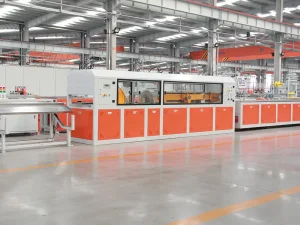
Corrosion-proof, high-strength fiberglass-reinforced composite profile line replacing structural aluminum.
Specifications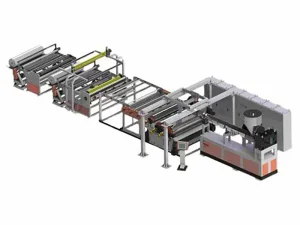
High-output casting equipment engineered for specialized co-extruded PV backsheet barriers.
Specifications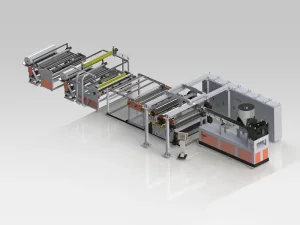
For high-strength structural glazing, hurricane-resistant laminated windows, and safety architectural solar glass.
Specifications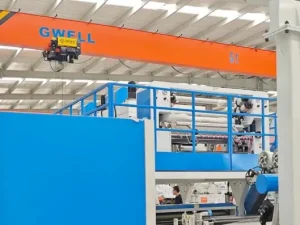
Designed for food-grade recyclable sheet manufacturing, accommodating up to 100% recycled PET flakes.
Specifications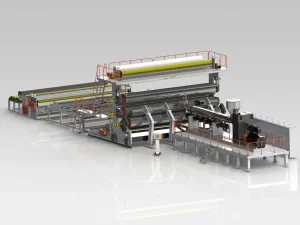
Extrudes wide-format waterproofing membranes for landfill lining, water reservoirs, and agricultural applications.
Specifications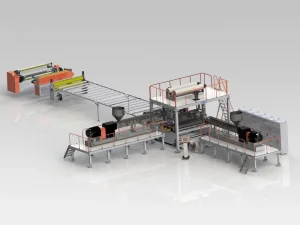
Produces advanced thermoplastic polyolefin roofing sheets optimized for commercial solar roof installations.
Specifications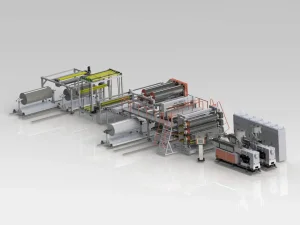
High-precision TPU cast extrusion for high-performance elastomer films used in protective wraps and industrial applications.
Specifications