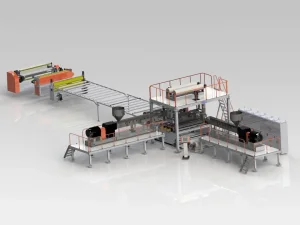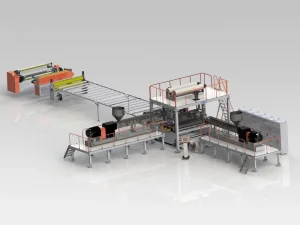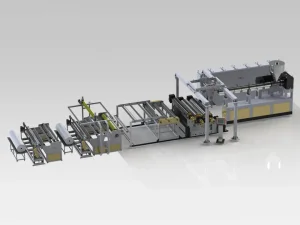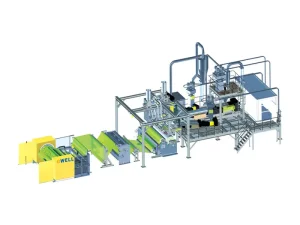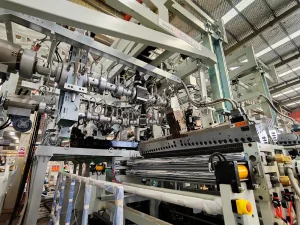
Premium customized waterproof sheet and liner extrusion lines engineered specifically for flood mitigation, tunneling, and high-performance civil projects across Greater Bangkok.
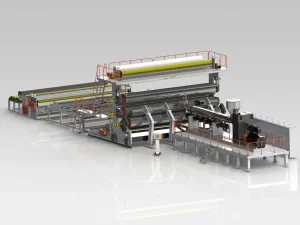
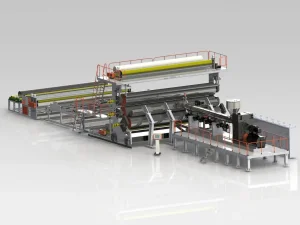
The urbanization and rapid industrial expansion within the Bangkok Metropolitan Region present substantial challenges related to water management, flooding, and subterranean moisture insulation. Built on an alluvial plain with a shallow water table, Bangkok requires robust, highly reliable polymeric waterproofing membranes for subways, building basements, tunnels, waste treatment facilities, and civil infrastructure.
Bangkok's unique geographic and meteorological conditions dictate the performance requirements of polymeric sheets. With intense seasonal monsoons and high soil subsidence rates, traditional asphalt-based coatings often fail under tension and prolonged water exposure. Consequently, municipal authorities and private developers are rapidly shifting toward thermoplastic membranes, including Polyethylene (PE) geomembranes, Polyvinyl Chloride (PVC) sheets, and Thermoplastic Polyolefin (TPO) liners.
Key infrastructure initiatives, such as the extension of mass transit lines, the Eastern Economic Corridor (EEC) link railways, and deep-drainage flood relief tunnel systems, require millions of square meters of highly durable sheet membranes. These demand high-precision production technologies that can guarantee uniform thickness, consistent multi-layer dispersion, and long-term chemical resistance. Machine operators in Thailand are seeking lines that offer low energy consumption, fast line speed changeovers, and the ability to process high percentages of recycled materials without sacrificing mechanical properties.
Globally, the polymer extrusion sector is undergoing an intelligent evolution characterized by the integration of Industry 4.0 paradigms. Advanced extrusion lines now incorporate computerized gravimetric feeding systems, closed-loop automatic T-dies, online thickness scanners, and energy-efficient heating systems.
Manufacturers are focusing heavily on multi-layer co-extrusion technology (A/B/C, A/B, A/B/A configurations). This technique allows producers to optimize material costs by utilizing recycled polymers or high-filler mixtures in core layers, while enclosing them between virgin material skins designed to withstand UV degradation, microbial attack, and mechanical abrasion. Additionally, there is a global trend towards eco-friendly polymers, such as PLA (polylactic acid) and biodegradable starches, alongside traditional heavy-duty structural plastics.
Modern waterproof extrusion technology relies on precise screw designs tailored to specific polymers. For instance, PVC extrusion demands low-shear, high-torque twin-screw extruders due to PVC's thermal sensitivity, whereas HDPE and TPO can be efficiently processed using barrier-type single screw extruders featuring high L/D ratios (usually 33:1 or 38:1) equipped with dynamic mixing heads.
Precision calendering systems with three, four, or five rolls determine the surface quality and thickness accuracy of the sheet. Modern lines employ independently driven, chrome-plated rolls with internal water/oil thermal regulation circuits. By using automated roll nip adjustments, manufacturers can maintain sheet thickness variations below ±1%, significantly reducing material waste and ensuring compliance with international civil engineering specifications.
The future of polymer extrusion is focused on smart automation and real-time process monitoring. Our R&D roadmap focuses on:
A comprehensive overview of industrial configurations optimized for structural panels, solar laminates, architectural sheets, and heavy-duty liners.
Designed for ultra-precise thinner films such as EVA, POE, PVDF, PVB, and TPU, utilizing high-precision feedblocks and premium chill rolls for encapsulation and automotive applications.
Engineered for high-thickness plates (2mm - 30mm) including WPC, SPC, PEEK, HDPE, and GPPS diffuser panels, ensuring structural integrity and robust mechanical strength.
Covers a wide range of barrier sheets including PET, PLA, PC, and PMMA for packaging, optical uses, and anti-static architectural barriers.
Dedicated processing systems for green energy requirements, incorporating hydrogen fuel cell PPS separators, PV encapsulation layers, and solar backsheets.
The implementation of polymeric geomembranes serves as a cornerstone for modern environmental protection systems. In municipal landfills and hazardous chemical storage centers throughout Southeast Asia, leak prevention is critical. Standard clay barriers are insufficient under heavy rainwater loads, which can lead to groundwater contamination. GWELL's PE Geomembrane Extrusion lines produce sheets up to 8 meters wide, minimizing the number of field-welded seams, which are traditionally the weakest points in containment installations.
Similarly, in agricultural aquaculture—such as Bangkok’s coastal shrimp farming and water storage reservoirs—impermeable HDPE liners prevent water loss through seepage and maintain clean pond environments, preventing soil pathogens from contaminating the harvest. Our co-extruded liners feature a textured surface option, achieved by specialized embossing rollers, which enhances friction and stability on steep soil banks.
Verified manufacturing capacities and production infrastructure establishing our market authority.
How we guarantee superior performance, reliable processing, and consistent product quality for our partners globally.
We collaborate closely with leading engineering universities and polymer research institutes to develop high-efficiency extruders.
We provide complete end-to-end integration support, including customized layouts, system commissioning, and workforce training.
Our three manufacturing bases maintain an annual production capacity exceeding 1,000 advanced extrusion lines.
Our lines operate in over 60 countries, delivering high reliability under various environmental conditions.
Detailed engineering answers regarding polymer extrusion lines, design metrics, and operation in tropical climates.
To operate effectively in high-humidity areas, our lines feature specialized sealed cabinets with industrial air conditioning for all electrical drives and PLCs. This configuration prevents condensation and corrosion. Additionally, the raw material handling system includes inline desiccant dryers to eliminate surface moisture from hygroscopic polymers before they enter the extruder throat, preventing bubble defects in the finished sheets.
Our high-capacity PE geomembrane lines can produce flat sheets with thicknesses ranging from 0.5 mm to 3.0 mm, and net widths of up to 8,000 mm. For thicker architectural boards, our lines can process materials up to 30 mm thick, depending on the specific roll diameter and calendering setup.
Yes. We design customized screw configurations with barrier flights and shearing sections specifically tailored to process high percentages of recycled materials. For biodegradable polymers like PLA, we utilize specialized low-temperature screw configurations and venting zones to minimize thermal degradation and maintain mechanical properties.
Our lines feature a closed-loop system that combines an online thickness scanner (beta-ray or X-ray) with an automatic T-die. The scanner continually measures the sheet's profile and transmits data to the control unit. The system then automatically adjusts thermal bolts in the die head to fine-tune the die gap, maintaining a consistent thickness profile.
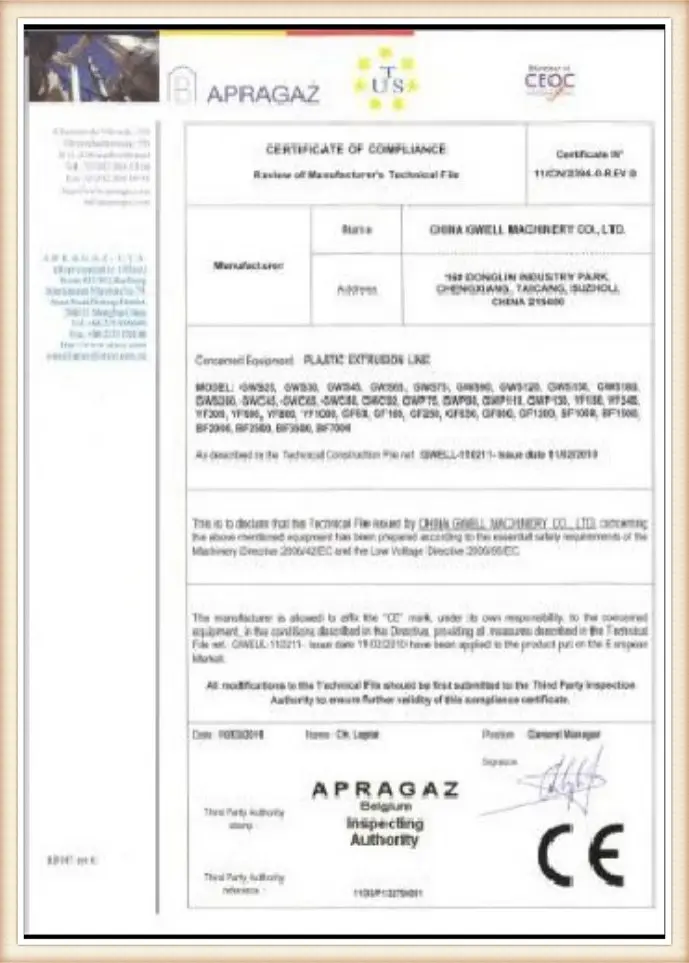
All GWELL machinery is built to meet strict European CE standards. Our electrical integration aligns with IEC protocols, and we can configure our systems to meet UL standards for North American installations, as well as local regulatory requirements in Southeast Asia.
Browse our advanced extrusion lines designed to support energy projects, custom polymer casting, and architectural board manufacturing.
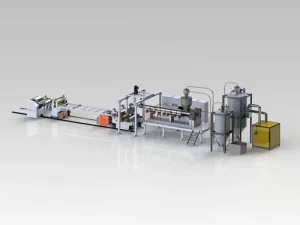
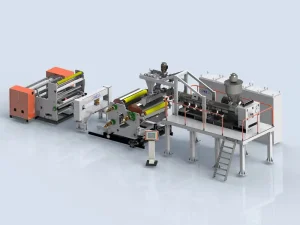
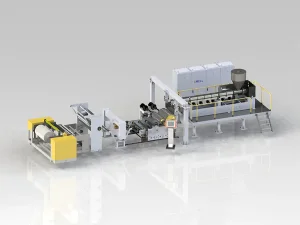
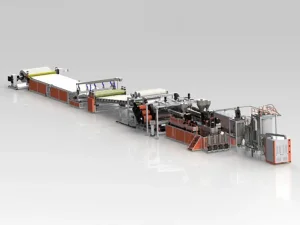
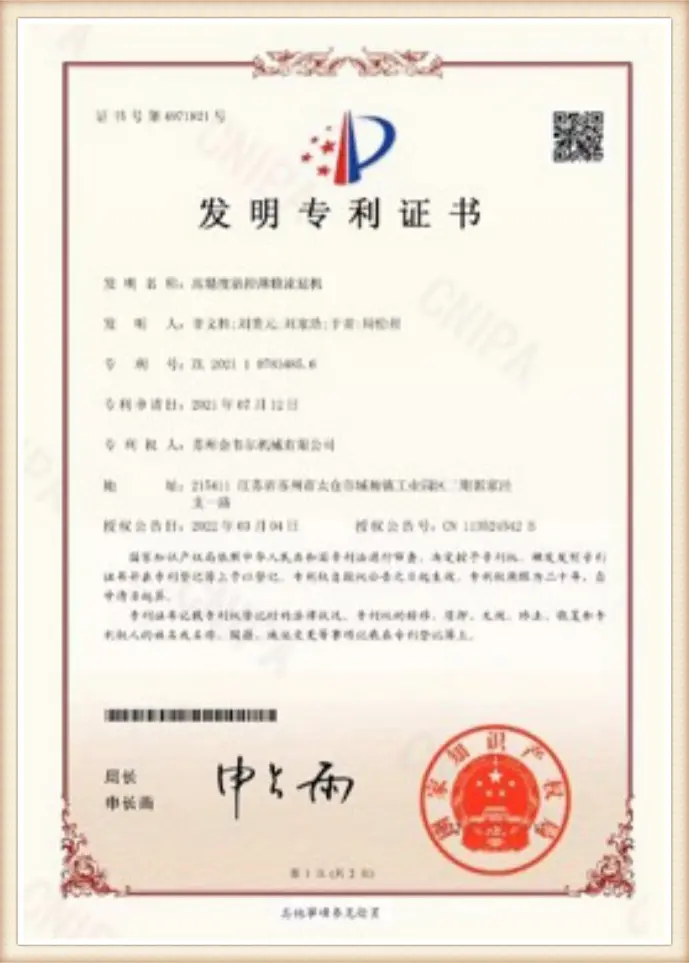
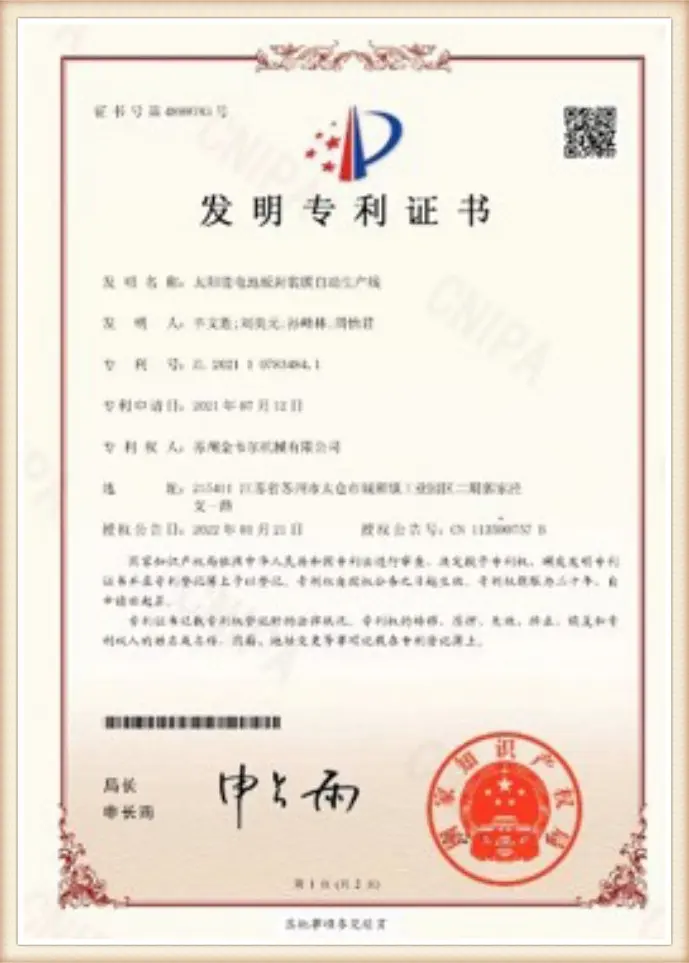
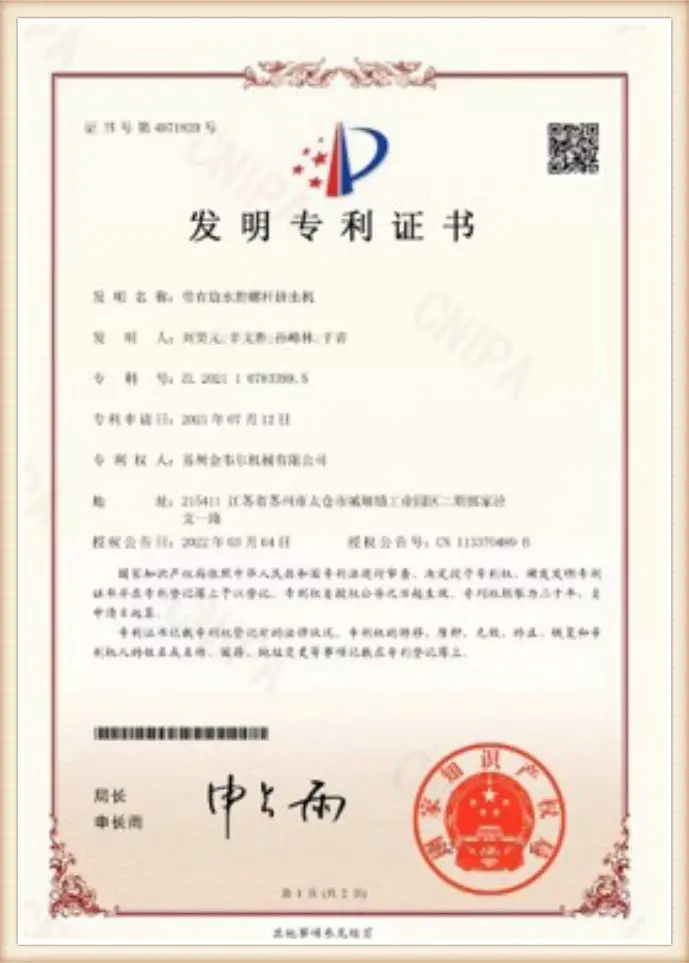
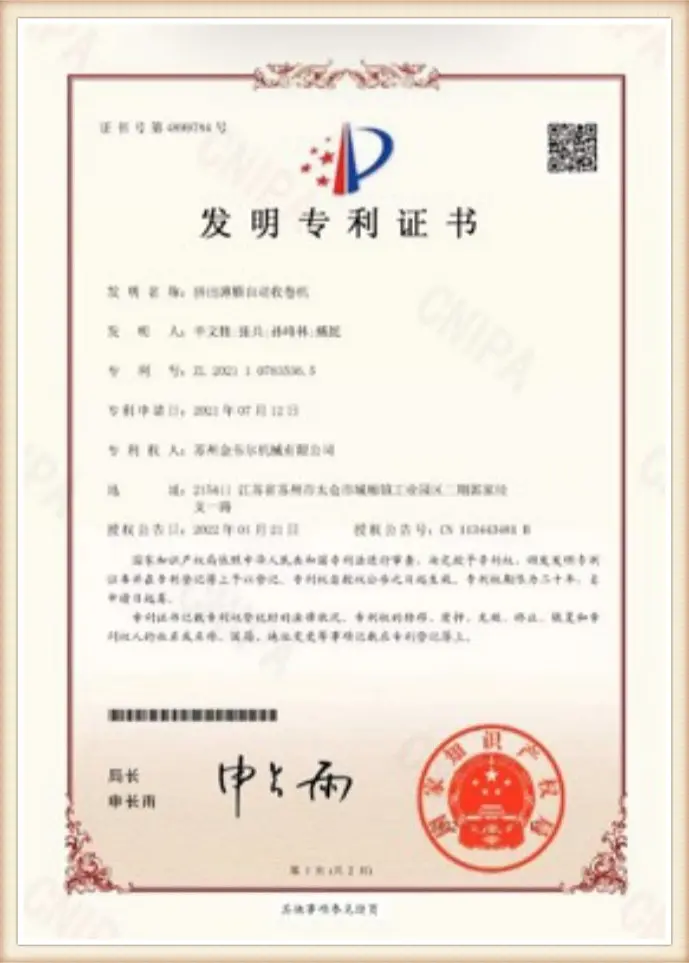
We work alongside global polymer suppliers and maintain certifications that meet international quality protocols.
Get in touch with Gwell's engineering team today for technical details, factory layouts, and custom pricing configurations matching your project requirements.