
Explore our highly engineered co-extrusion systems designed for global manufacturing compliance, reliability, and extreme precision.
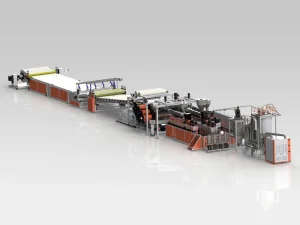
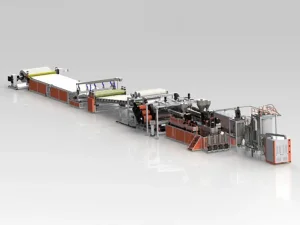
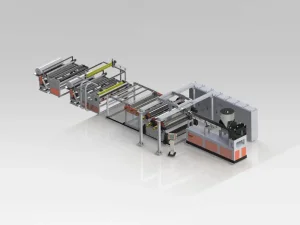
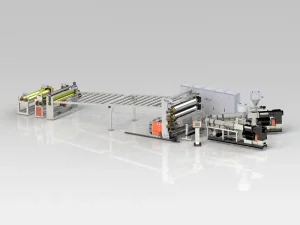
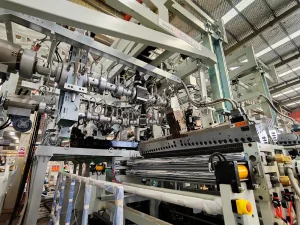
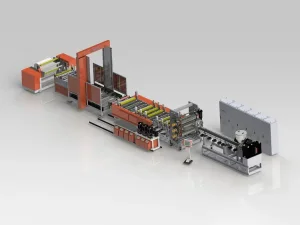
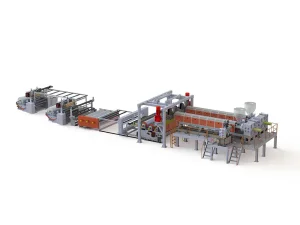
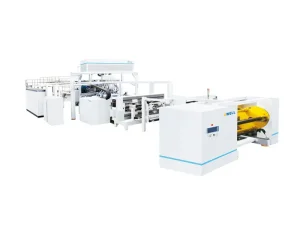
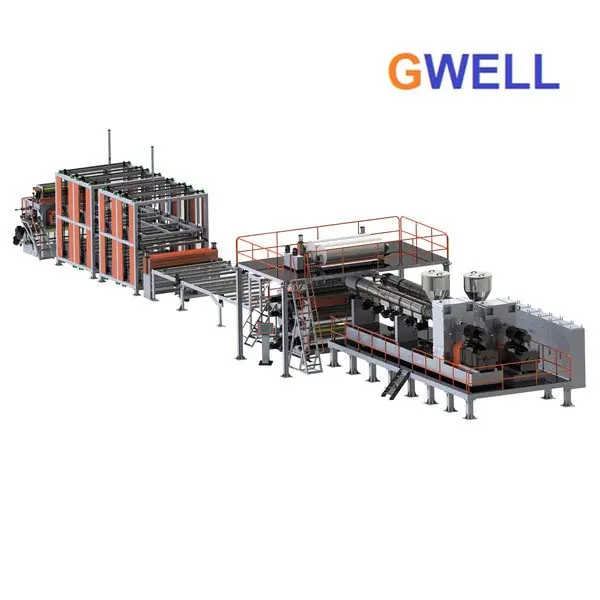
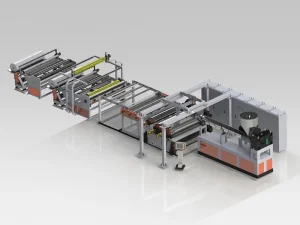
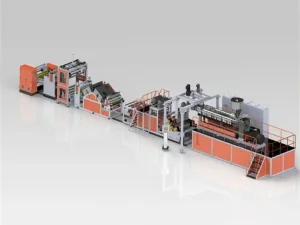
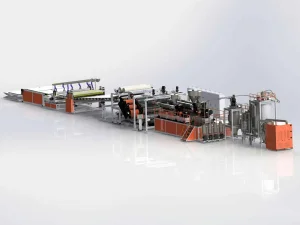
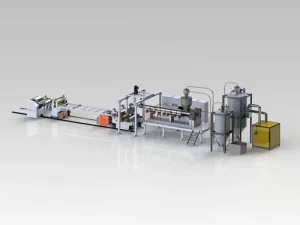
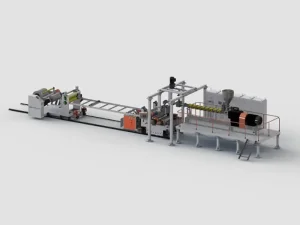
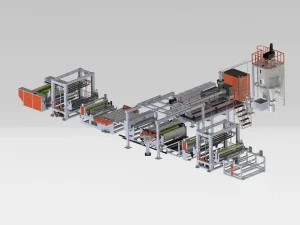
The modern manufacturing sector is experiencing an unprecedented structural transition. Rising energy costs, strict post-consumer packaging circularity rules, and the demand for lightweight structural profiles are pushing companies to replace traditional mono-layer sheets with sophisticated co-extrusion composites. At the center of this change is the Multilayer PP Sheet Line—a high-tech configuration engineered to produce sheets with complex layer sequences (A-B-A, A-B-C, and asymmetric barrier configurations) using recycled materials, barrier polymers, and fillers without losing structural strength.
Designing a robust Multilayer PP Sheet Line requires managing polymer melt rheology. When different layers of Polypropylene (PP), functional barrier polymers (such as EVOH), and bonding agents (TIE resins) meet in the feedblock, they flow at varying shear rates and viscosities. Under high pressure, these differences can cause layer deformation, flow instability, and uneven thickness across the sheet width.
To solve these problems, advanced extrusion feedblocks feature dynamic geometry settings that balance pressure and flow resistance. High-precision sheet dies are paired with automatic thermal expansion bolts to continuously adjust the die gap profile. This ensures consistent layer distribution, even when co-extruding materials with different Melt Flow Rates (MFR).
Achieving a high-capacity output (often exceeding 1,200 kg/h) is not just a matter of running the screw at higher RPMs. High shear rates can overheat the polymer, leading to molecular degradation, yellowing, and lower impact resistance.
Modern High Capacity PP Sheet Extrusion systems feature long screws (with L/D ratios up to 33:1 or 38:1) equipped with specialized mixing components. These elements break up polymer clusters and disperse color concentrates or calcium carbonate (CaCO3) fillers evenly without creating localized hot spots. Liquid-cooled barrels and high-torque gearboxes work together to maintain a stable melt temperature, ensuring the final sheet maintains its mechanical integrity.
Real-time automation is essential to minimize material waste and speed up line startup. A modern Automated PP Sheet Production line uses a closed-loop system integrated with the plant's Manufacturing Execution System (MES). Non-contact thickness gauges (using beta-ray, X-ray, or ultrasonic sensors) scan the finished sheet and send thickness data back to the automated die lip.
The die uses thermal expansion bolts to adjust the gap profile locally, keeping thickness variations within ±1%. Automated gravimetric feeding systems continuously adjust screw speeds and melt pump pressures. This keeps layer ratios steady even when material bulk density shifts—such as when blending recycled regrind with virgin pellets.
Optimized barrel heating design reduces overall thermal losses and lowers energy consumption per kilogram produced.
Custom-configured screw patterns prevent polymer stress, preserving physical strength and sheet clarity.
Integrated inline edge trim granulators return scrap directly to the extruder, minimizing material waste.
For procurement directors, selecting the right partner requires assessing technical capabilities and post-sale support. A reliable PP Sheet Equipment Supplier must offer more than just machinery. They need to provide a complete engineering package: mechanical blueprints, electrical documentation, software integration, and certified tooling.
Top manufacturers build their lines using global standard components (such as Siemens PLCs, Omron temp controllers, ABB drives, and Nord gearboxes) to ensure operators can quickly source replacement parts locally. This reduces downtime and simplifies long-term maintenance.
Environmental regulations are forcing manufacturers to use higher shares of recycled polymers. Modern multi-layer co-extrusion designs address this by trapping recycled PP or regrind in the center layer of an A-B-A sheet structure, while using virgin, food-contact approved material for the outer skins.
This structure allows packaging companies to incorporate up to 60% recycled materials without affecting the product's final look, sealability, or food safety certification.
Industrial machinery categories built with precise German-standard designs for demanding plastic processing environments.
China Gwell Machinery is a high-tech enterprise dedicating to the manufacture of plastic extrusion lines for Film, Sheet and Profile. Relying on the powerful technology and equipment of group and innovative spirit, GWELL commits to the development of high-tech products and international market. "Expertise creates customers' values" has always been the company's operating philosophy.
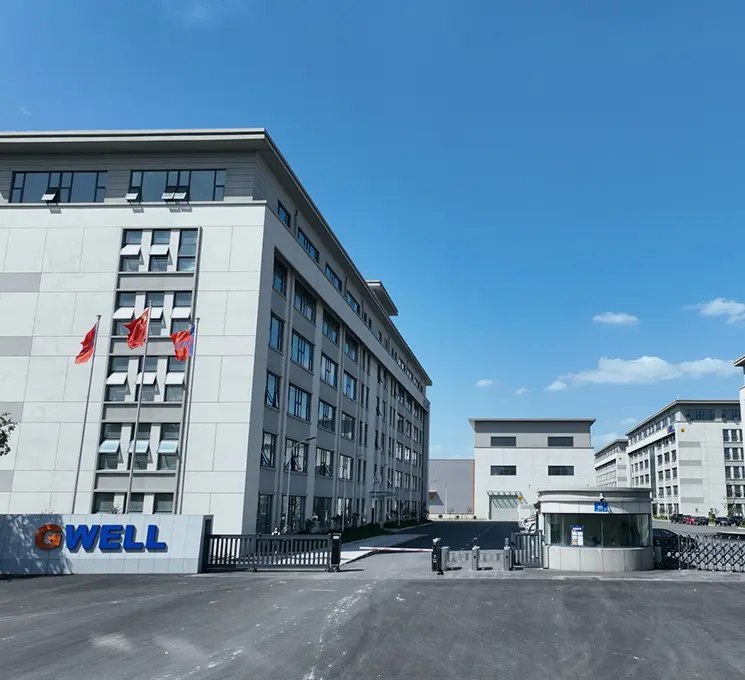
Designed to deliver high performance, minimal downtime, and competitive operating costs.

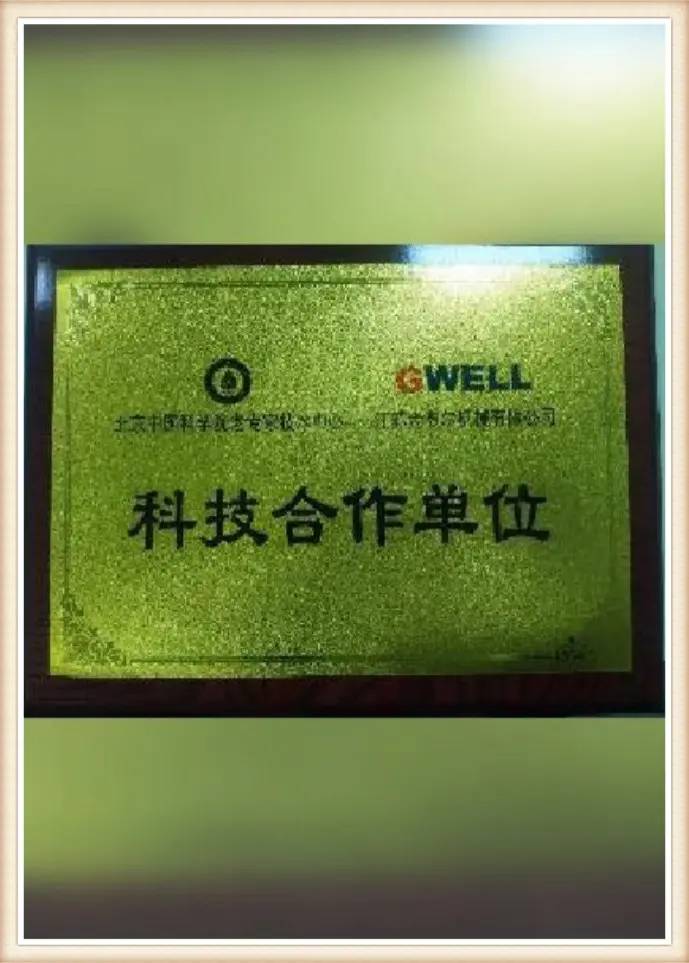
We collaborate with major universities and plastic engineering institutes to integrate the latest polymer rheology findings directly into our machine designs.

We offer end-to-end commissioning, factory acceptance tests (FAT), field site alignment (SAT), and lifetime support.

Our three production bases produce over 1,000 complex sheet and board extrusion lines annually, ensuring fast manufacturing turnaround.

With hundreds of lines installed across Europe, Asia, and North America, our machinery is proven in diverse manufacturing environments.

With 500 total workers and more than 100 mechanical and electrical engineers, we design and build systems tailored to your technical requirements.
Fully compliant with international machinery manufacturing directives, CE directives, ISO standards, and safety requirements.

Stay updated on the latest trends in co-extrusion technology, raw material developments, and upcoming industry events.
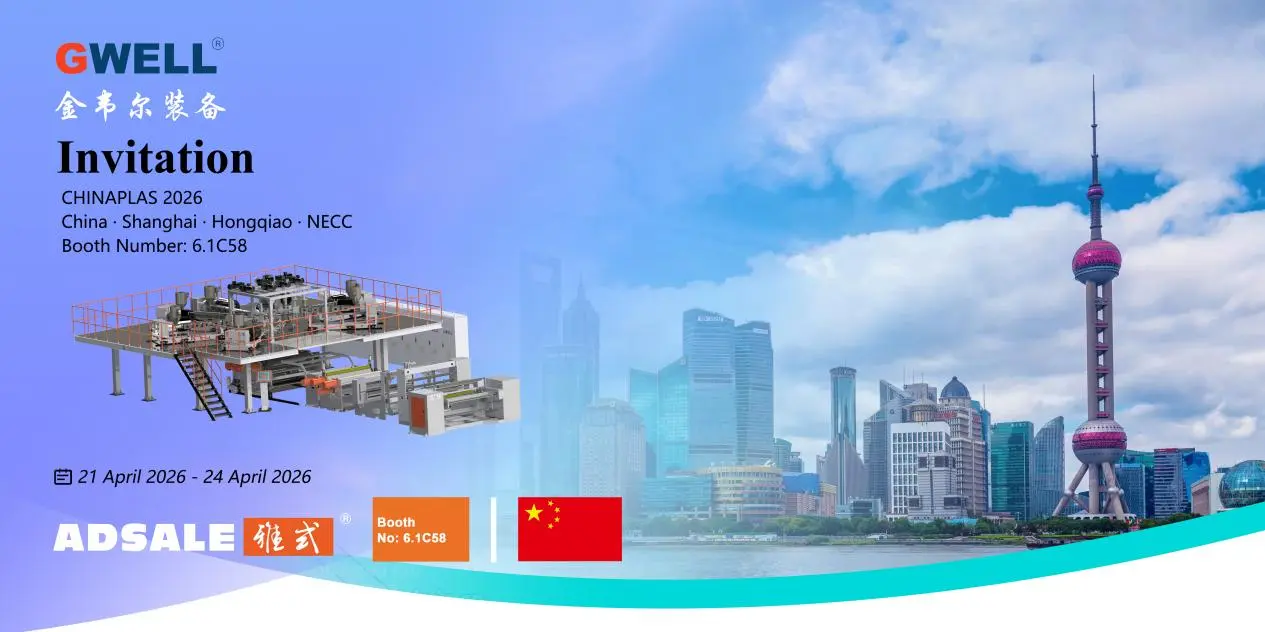 Apr 14, 2026
Join us at our upcoming tradeshow as we showcase our latest automation features for multi-layer co-extrusion.
 Feb 11, 2026
An in-depth review of POE synthetic leather alternatives for the automotive and packaging industries.
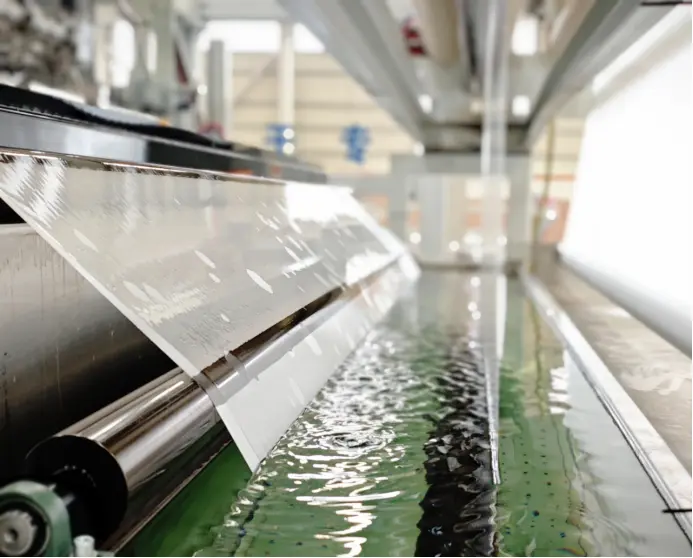 Jun 25, 2025
Our PVB wedge-shaped film production line offers high precision, efficiency, and compatibility for HUD laminating projects.
Detailed technical answers for engineering teams and procurement directors evaluating manufacturing lines.
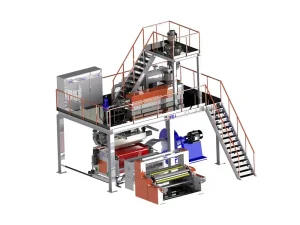
Additional custom-engineered lines designed for technical packaging, automotive trim, and architectural materials.

GWELL’s R&D capability and precision machining standards are widely recognized across the industry. Get in touch with our engineering team for a detailed custom project layout.
Send Technical Inquiry Now