
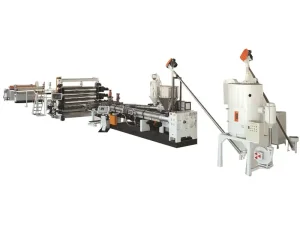
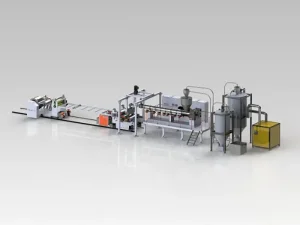
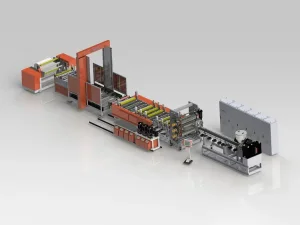
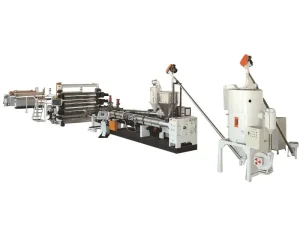
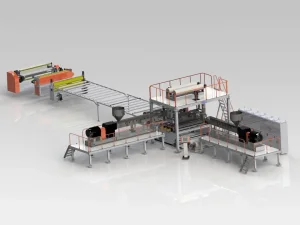
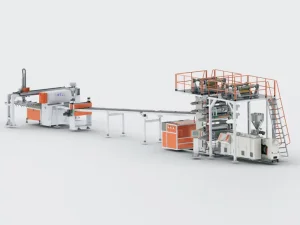
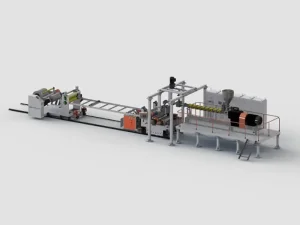
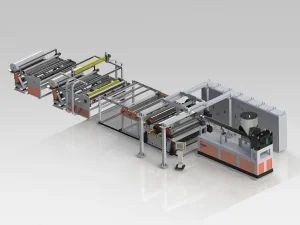
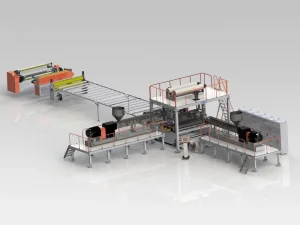
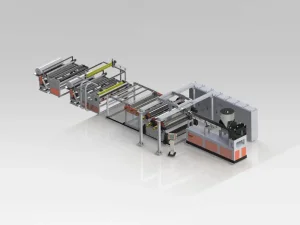
Polypropylene (PP) is a cornerstone polymer in the global plastic processing sector. Known for its low density, exceptional chemical resistance, high fatigue limits, and outstanding thermal stability, semi-finished PP products—primarily sheets and boards—are in high demand. To fabricate these sheets, industrial manufacturers deploy high-performance PP sheet lines equipped with specialized PP extruders. As a critical manufacturing asset, selecting the right machine directly impacts production speed, thickness accuracy, and material efficiency.
For B2B buyers looking to buy a PP sheet line, the procurement process requires deep analysis of mechanical designs. Factors such as co-extrusion feedblock capabilities, T-die flow channel designs, and calender winder speeds determine the physical properties of the produced sheets. As a consequence, establishing a strong relationship with an experienced PP extruder factory is essential to secure competitive sheet manufacturing infrastructure.
Calculating the true PP sheet machine price involves looking beyond the initial purchase price. The total cost of ownership (TCO) is determined by configuration options, raw material savings, and energy efficiency. Standard line pricing is usually structured around several major variables:
Investing in advanced co-extrusion technology (such as A/B/A or A/B/C multi-layer configurations) allows manufacturers to use recycled PP regrind in the core layer. This strategy reduces overall raw material costs without compromising surface quality, helping to quickly recover the initial machine price difference.
Working with a professional PP sheet equipment importer simplifies the international supply chain. Industrial importers do more than purchase machinery; they coordinate engineering standards, manage compliance testing (such as CE, UL, and CSA standards), and arrange complex overseas logistics.
Importers bridge the gap between factory engineering departments and local installation teams. When sourcing high-output lines from global production hubs, an importer ensures that electrical configurations match local grid requirements (such as 480V 60Hz in the US vs. 400V 50Hz in Europe). They also secure warranties, set up spare parts supply chains, and coordinate on-site commissioning.
China has established itself as the leading global source for plastic extrusion machinery. Industrial hubs, such as those run by Gwell Machinery, combine advanced material science with cost-effective manufacturing networks. The key advantages of sourcing from a China-based PP extruder factory include:
By using integrated vertical manufacturing, Chinese factories can produce heavy machinery frame assemblies, perform precision machining on extrusion screws, and assemble control cabinets within single manufacturing zones. This concentration of production reduces logistical delays and optimizes costs, allowing factories to supply high-end components—like melt pumps, T-dies, and PLC controllers—at competitive prices.
Extruded PP sheets are used across many industries, each demanding specific material and mechanical characteristics:
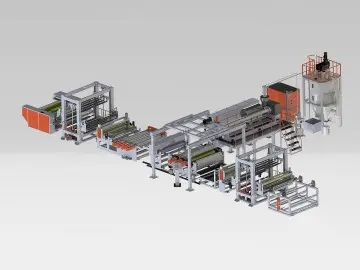
GWELL Machinery Co., Ltd. presents advanced film extrusion systems...
Learn More →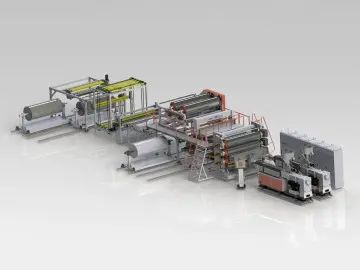
Precision lamination and uniform gauge control for automotive films...
Learn More →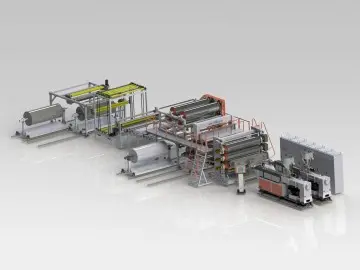
Highly versatile lines designed for technical TPU coatings...
Learn More →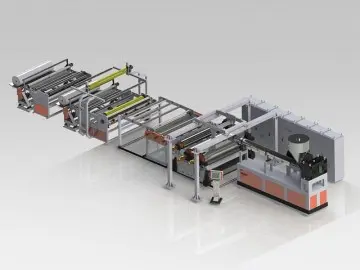
High-grade backsheet films for renewable photovoltaic modules...
Learn More →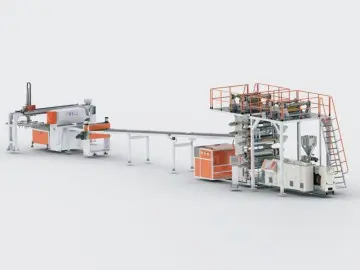
Composite technology for architectural flooring materials...
Learn More →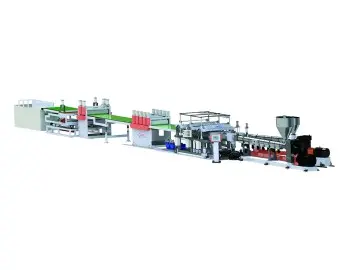
High structural integrity concrete panels with automation control...
Learn More →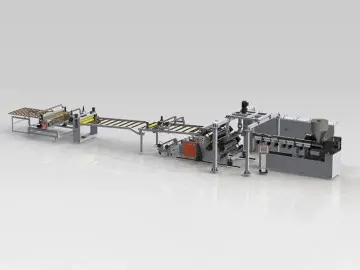
Fluoropolymer processing configurations for extreme environments...
Learn More →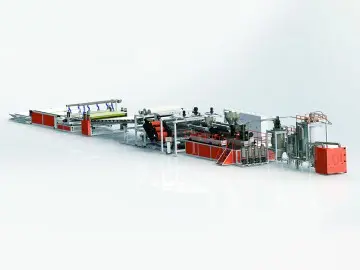
Thick-sheet extrusion designed for water tanks and industrial liners...
Learn More →As polymer processing matures, PP sheet production lines are adapting to meet new regulatory and commercial demands. These technological developments focus on three main areas:
Modern extrusion lines are designed to handle variable melt flows from PCR (Post-Consumer Recycled) PP. Specialized screw configurations, combined with advanced melt filtration systems, allow manufacturers to use up to 70% recycled plastic without compromising physical properties.
By injecting supercritical nitrogen or carbon dioxide into the extruder barrel, manufacturers can produce foamed PP sheets. This process yields lightweight panels with up to 30% lower density, offering significant raw material savings for thermoformed automotive interior parts.
High-end lines integrate continuous rheometer feedback loops. The system tracks melt pressure and viscosity in real time, automatically adjusting extruder screw speeds and barrel heating zones to maintain consistent sheet dimensions.
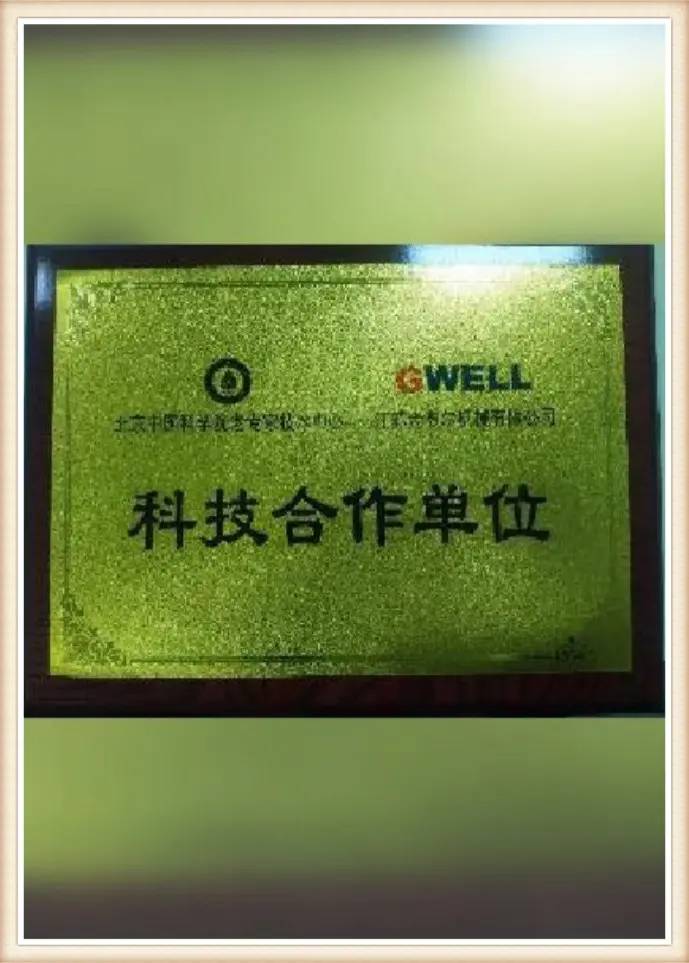
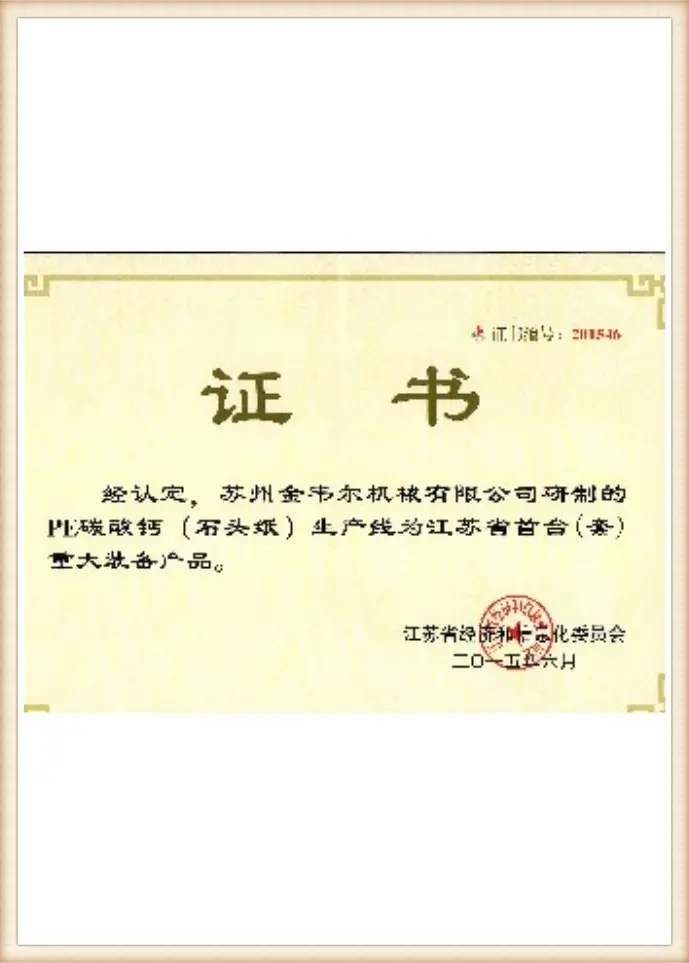
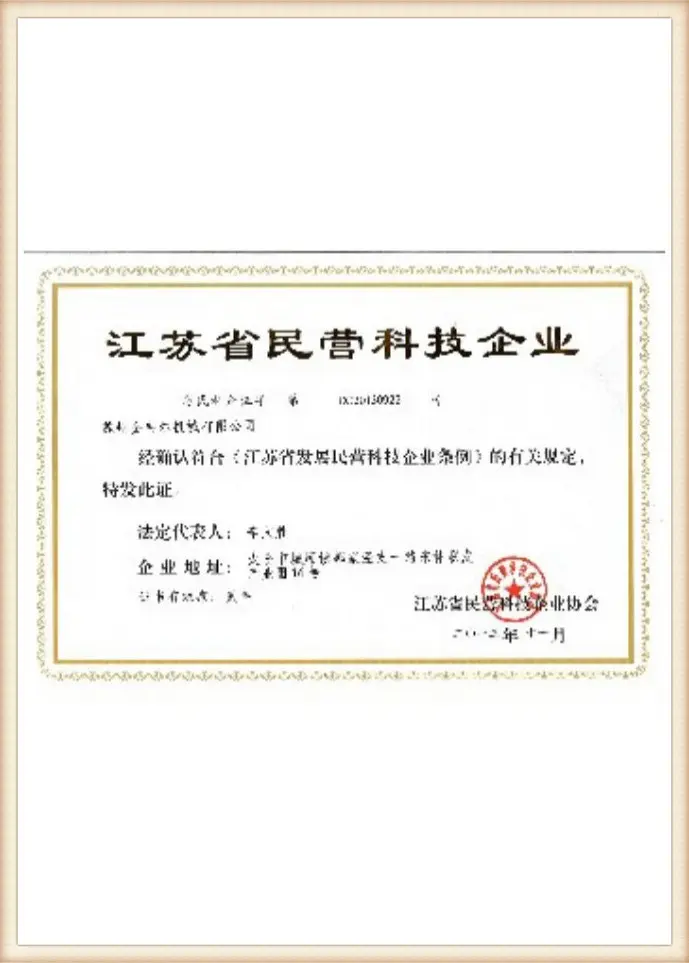
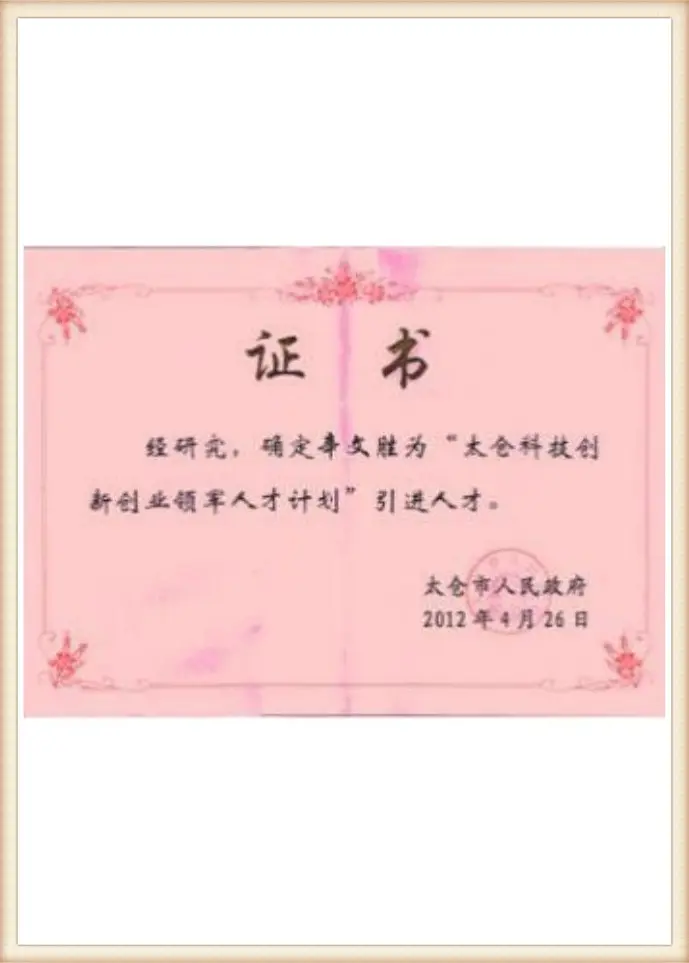
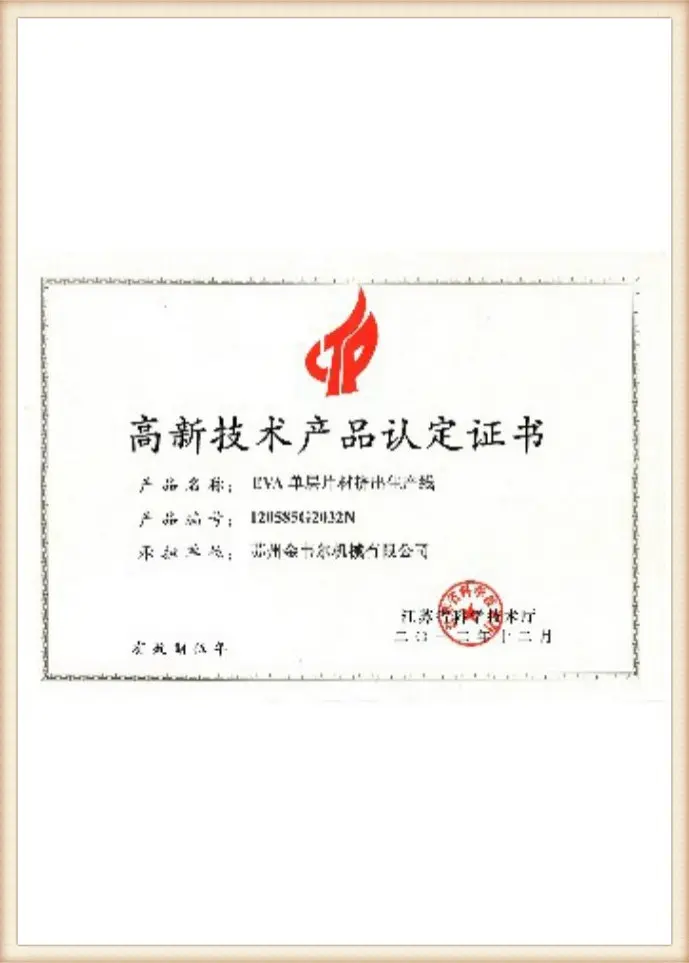
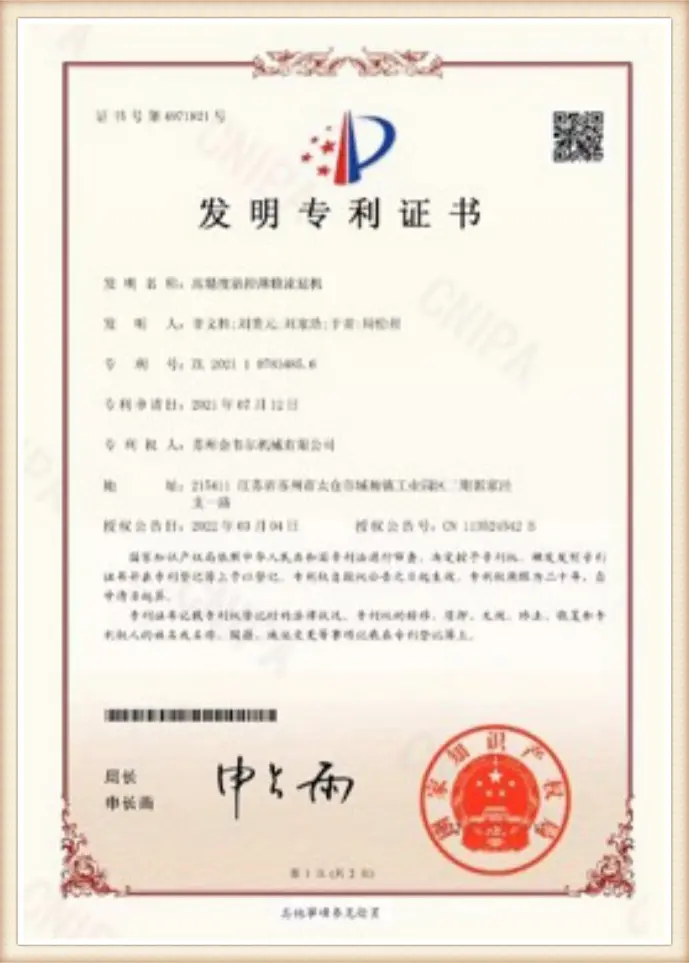
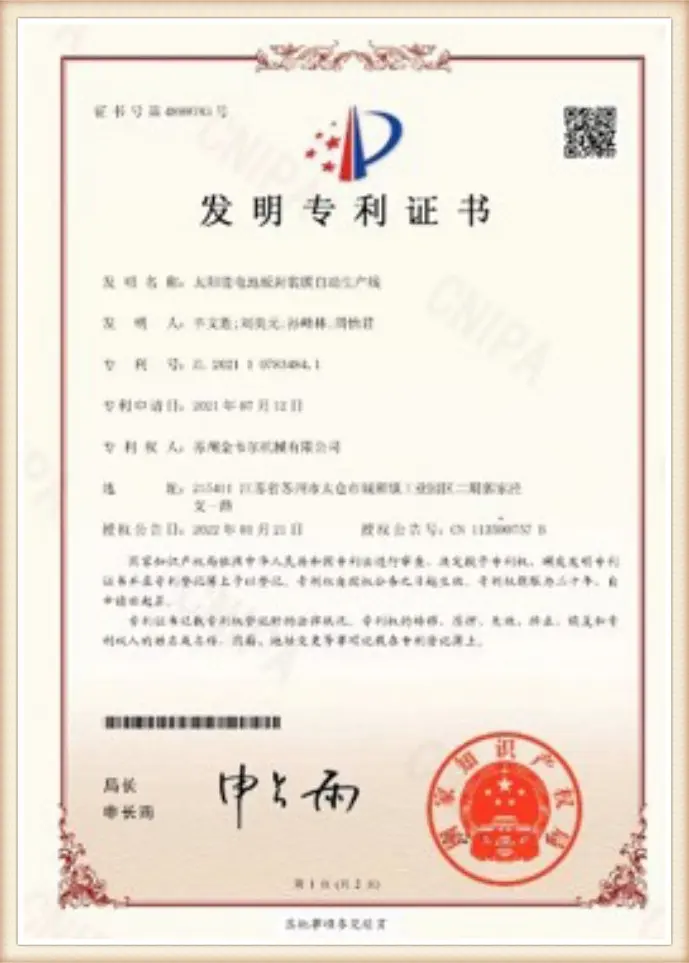
China GWELL Machinery is a high-tech enterprise dedicated to the manufacture of plastic extrusion lines for Film, Sheet, and Profile. Relying on the powerful technology, machinery resources, and innovative spirit of the group, GWELL commits to the development of high-tech products and global markets.
"Expertise creates customers' values" has always been the company's operating philosophy.
View Corporate Profile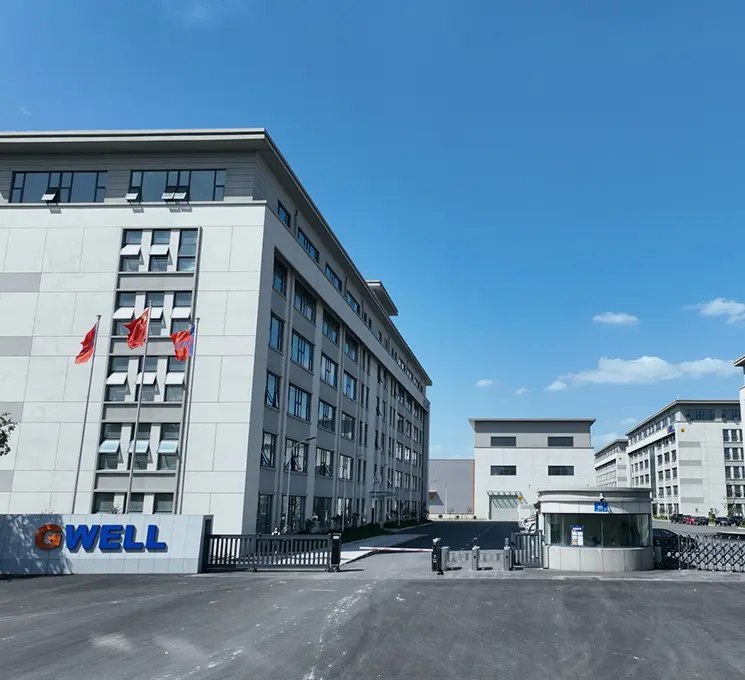
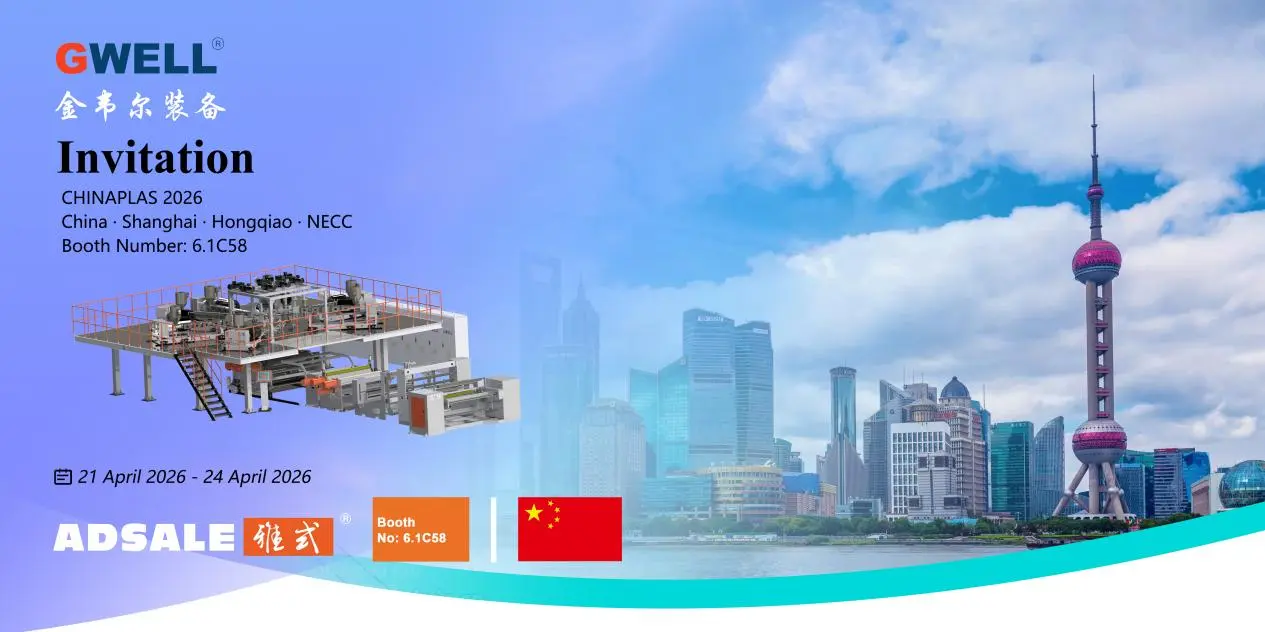
GWELL will demonstrate its latest energy-saving extrusion technologies at the upcoming international plastics show.
Read More →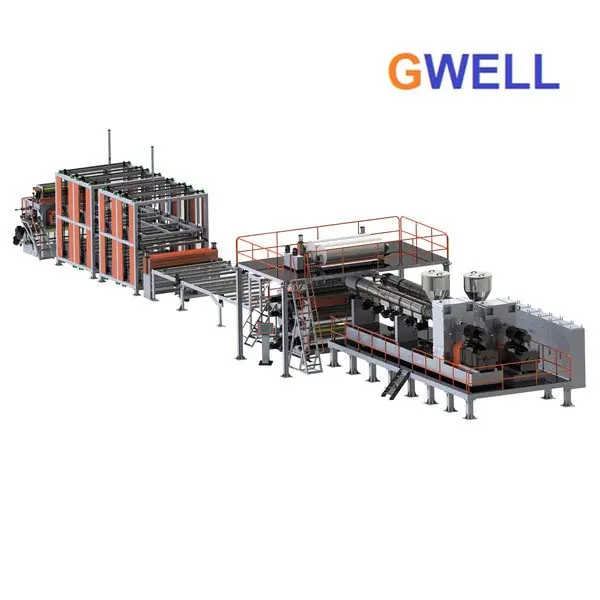
We have introduced a new POE composite extrusion line designed for high-end automotive interior applications.
Read More →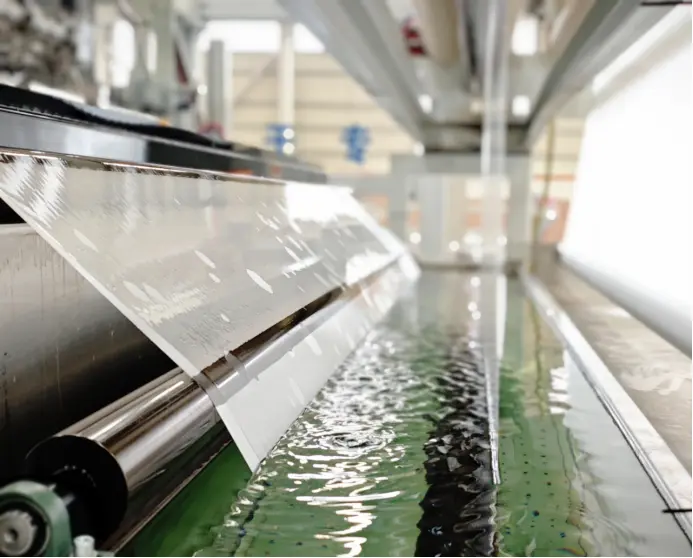
Our new high-precision PVB line features automatic thickness control, designed to supply raw materials for automotive HUDs.
Read More →
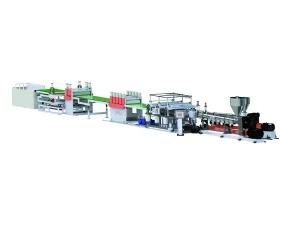
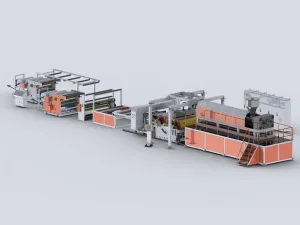
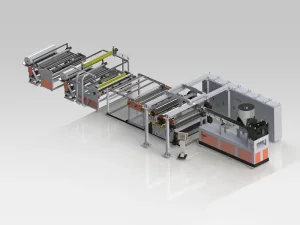
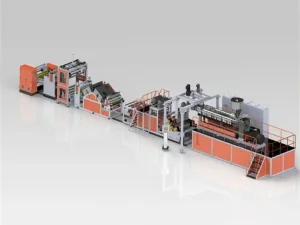

Connect with our engineering team to design a customized PP sheet extrusion line that matches your throughput requirements, spatial constraints, and target price range.
Send Inquiry Now