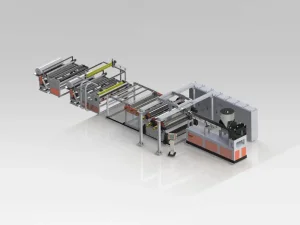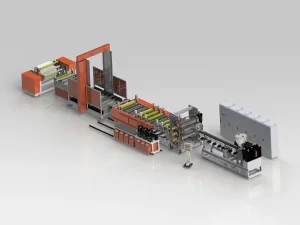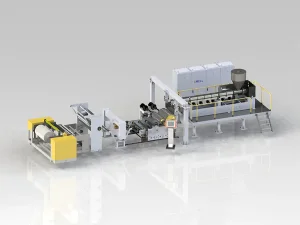
Deploying state-of-the-art technological architectures for advanced functional films and structural board production.
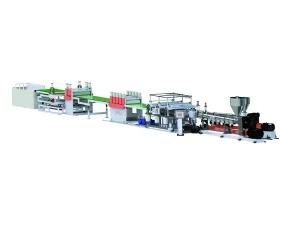
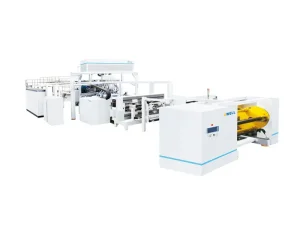
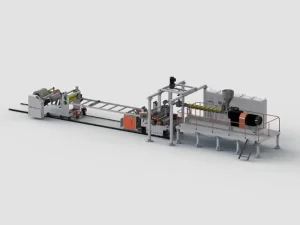
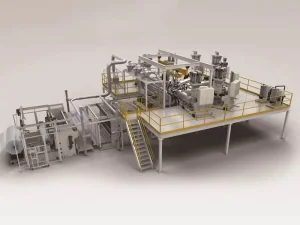
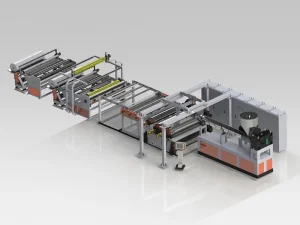
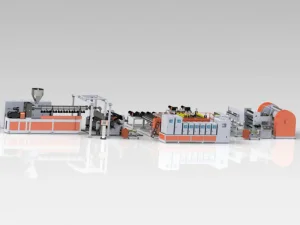
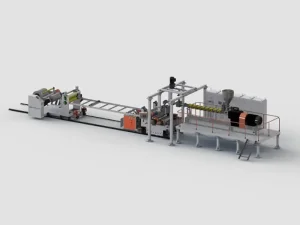
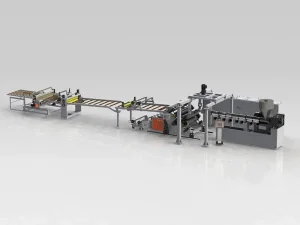
A comprehensive exploration of mechanical configurations, materials science, and supply dynamics shaping high-performance sheet extrusion lines globally.
The global demand for high-performance polycarbonate (PC) sheets is experiencing rapid growth, driven by key sectors like architectural glazing, automotive, aviation, electronics, and solar power encapsulation. Traditional extrusion lines, designed for simple structural panels, can no longer meet the stringent requirements of modern specifications. Today's industrial PC sheet production equipment must achieve high optical clarity, precise thickness tolerances (down to micron levels), and the flexibility to handle complex multi-layer configurations.
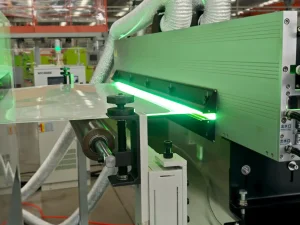
Innovations in co-extrusion technology (ABA, AB, ABC structures) allow factories to incorporate UV-protective coatings, anti-scratch layers, and flame-retardant properties simultaneously. This ensures the output sheets maintain mechanical strength and weather-resistance in harsh environments, reducing waste and material costs during production.
Industrial procurement teams look for several key factors when sourcing PC board and sheet extrusion machinery. These include energy-efficient motors, advanced PLC control, integrated thickness monitoring systems, and reliable melt pumps. A main challenge in PC processing is its high melt temperature (280°C - 320°C) and shear sensitivity. Modern extrusion systems tackle this by using customized screw designs that ensure uniform plasticization without degradation.
Equipment buyers also prioritize flexibility. The ability to shift production between thin optical-grade films and heavy-duty building construction sheets on a single, modular extrusion platform saves significant capital expenditure. Reliable post-extrusion cooling and roller configurations are essential to prevent internal stress, which causes warpage and optical distortion.
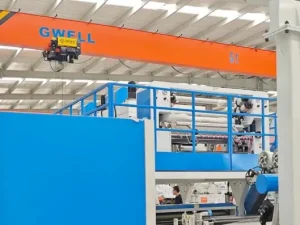
China's smart manufacturing sector offers a strong combination of supply chain resilience, advanced engineering talent, and cost-efficiency. Manufacturers like China GWELL Machinery Co., Ltd. leverage a complete industrial ecosystem. Our production bases utilize CNC machining centers, automated assembly units, and strict QA protocols to deliver precision components at scale.
By integrating Industry 4.0 concepts like real-time sensor monitoring, remote diagnostics, and data analysis, GWELL extrusion lines deliver uptime that matches or exceeds European standards. This level of reliability, combined with robust domestic supply chains for steel, heat treatments, and electronics, translates directly into shorter lead times and competitive pricing for international clients.
Quantifying our design, engineering, and manufacturing output across three modern production bases.
Pioneering advancements in mechanical efficiency, material distribution, and long-term operating reliability.
Collaborating with top research institutes to design screws, high-precision feedblocks, and T-dies that ensure optimal plasticization and flow control.
Providing end-to-end support, including raw material formulation consulting, on-site installation, staff training, and fast spare parts delivery.
Three heavy-duty manufacturing centers enable parallel assembly of multiple high-capacity lines, ensuring deliveries remain on schedule.
Over 100 dedicated technical engineers focusing on mechanical design, automation engineering, and process optimization.
Custom engineered extrusion lines categorized by technical output and industry application.
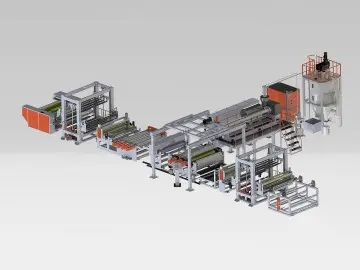
Specialized systems for ASA, TPU, PVDF, PVB, PVA, and high-performance polyimide (PI) cast films. Engineered for precise thickness regulation.
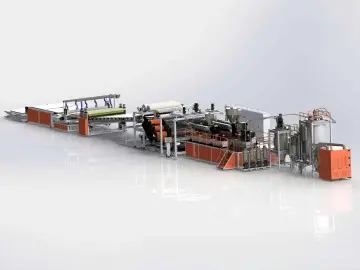
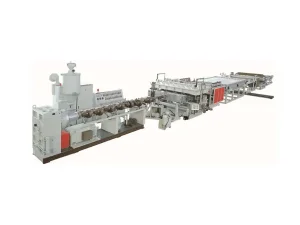
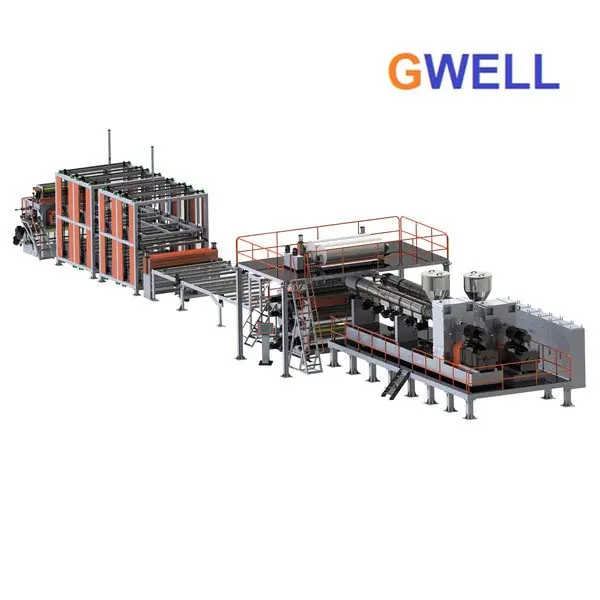
Industrial solutions for thick sheets and panels, including PVC, SPC, WPC, structural PP, heavy-duty HDPE, and optical-grade transparent PC/PMMA boards.
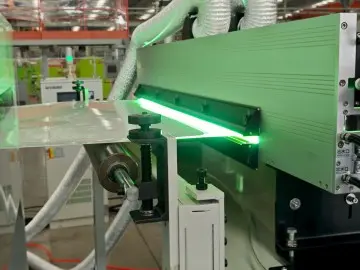
High-speed lines for PCTG, TPO/TPE, PP blister sheets, compostable PLA, food-contact PET packaging, and flame-retardant PC sheets.
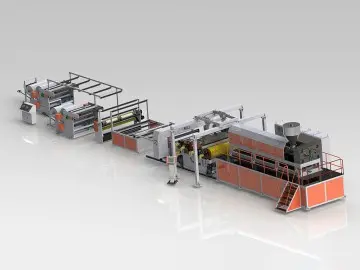
Targeted machinery for solar PV modules, including high-adhesion EVA/POE films, SGP interlayers, and PPS separator materials for hydrogen fuel cells.
How different industrial sectors implement the outputs of GWELL high-performance extrusion lines.
Optical-grade PC and PMMA sheets are widely used in flat-panel displays, touch screens, and automotive instrument panels. Extruded with mirror-polished calendering rolls in cleanroom conditions, these sheets feature low birefringence and zero dust inclusions, ensuring perfect light transmission.
Heavy-duty multi-wall hollow PC sheets and corrugated panels serve as durable roof glazing, sound barriers along highways, and greenhouse cladding. They provide high impact strength (250 times that of glass), UV protection, and thermal insulation, resulting in significant energy savings.
With the shift toward clean energy, EVA/POE cast films produced on GWELL solar lines are essential for protecting silicon wafers within solar modules. These films offer high PID resistance and long-term weatherability in harsh desert and maritime environments.
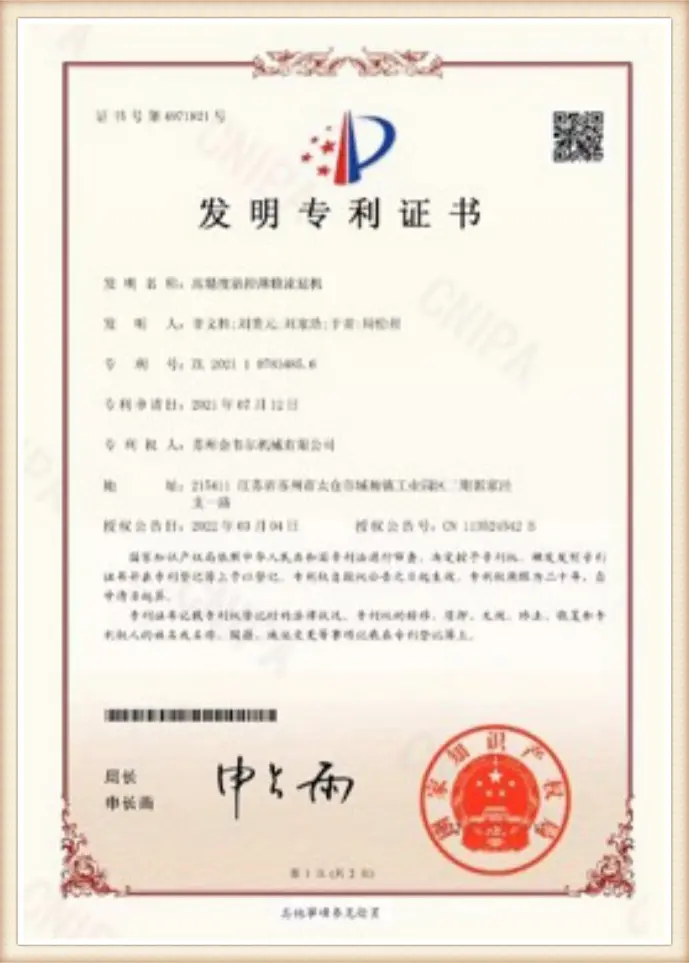
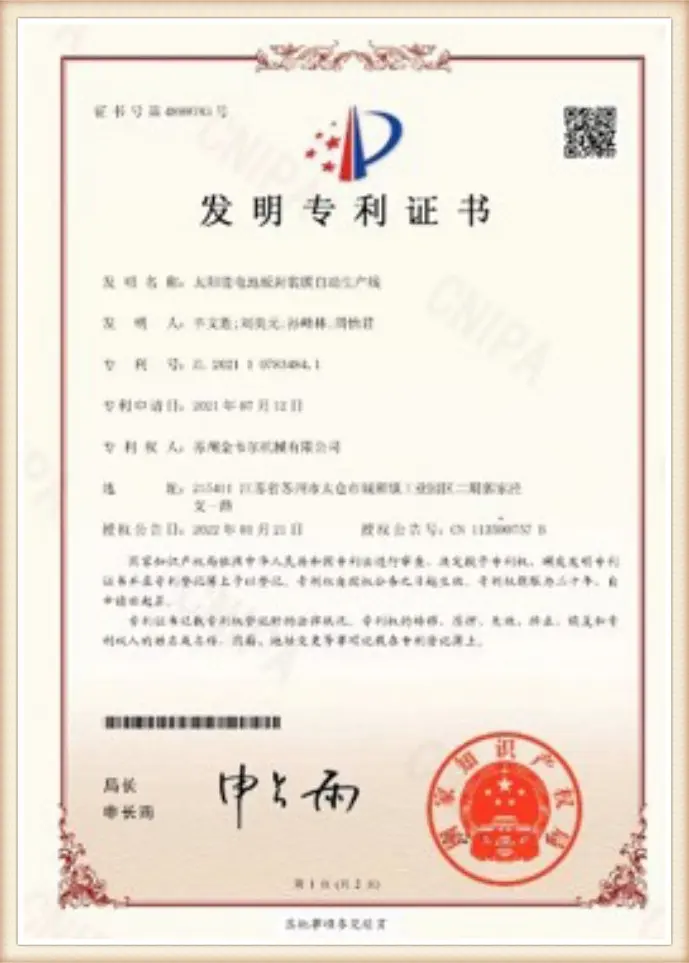
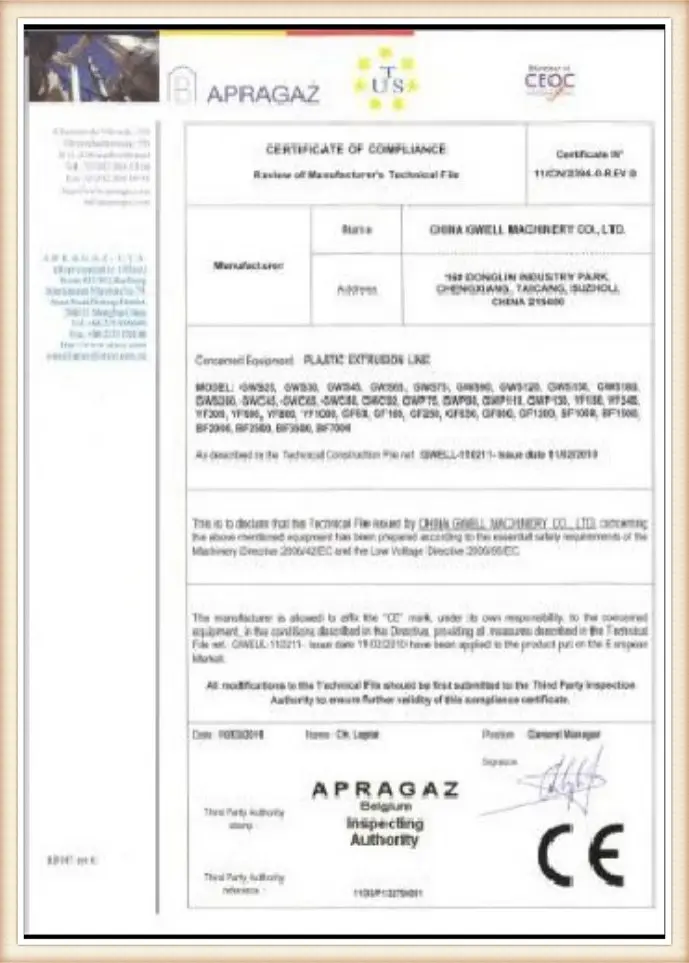
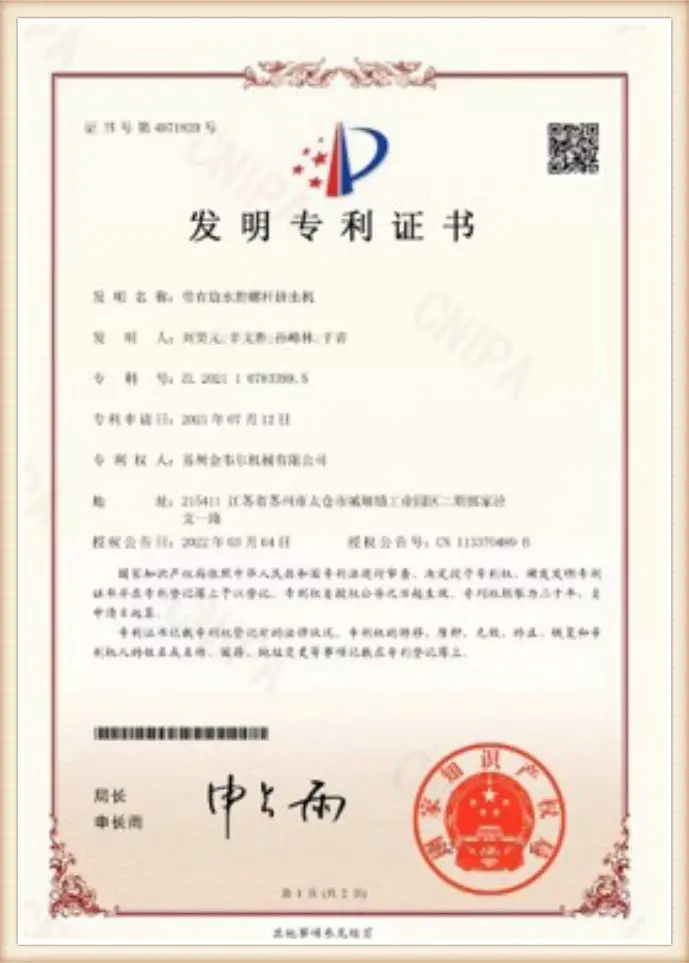
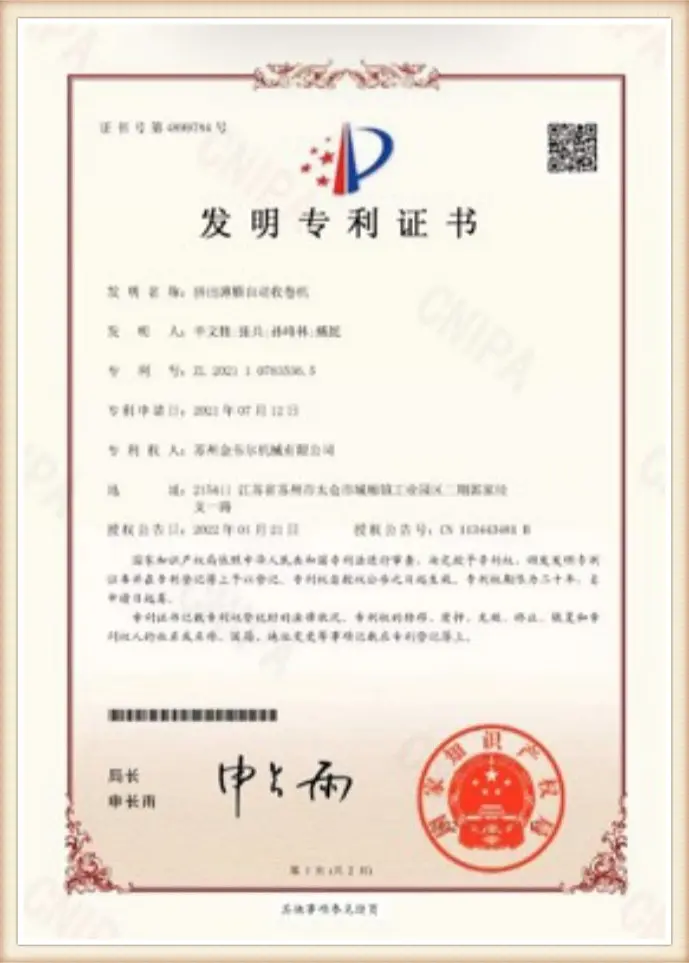
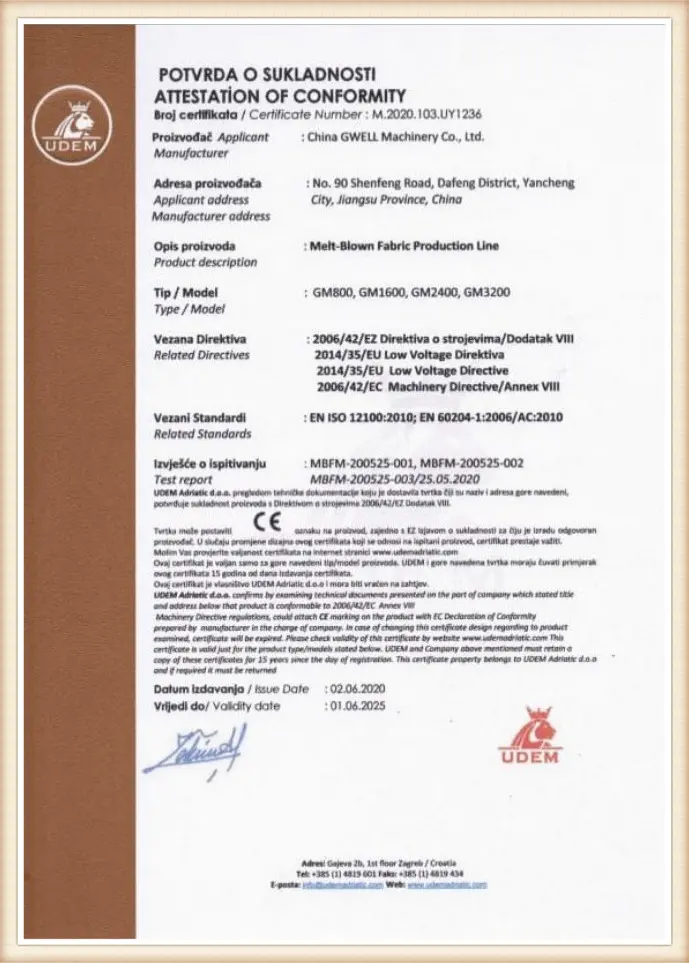
Ensuring mechanical compliance, CE conformity, and international standards across all GWELL lines.
Stay informed on plastic extrusion breakthroughs, upcoming expos, and new material processing techniques.
Highlighting next-generation co-extrusion technology at upcoming international plastics expos, introducing smart automation modules.
Our research and development team introduces an eco-friendly POE synthetic leather line, offering superior flexibility and UV stability.
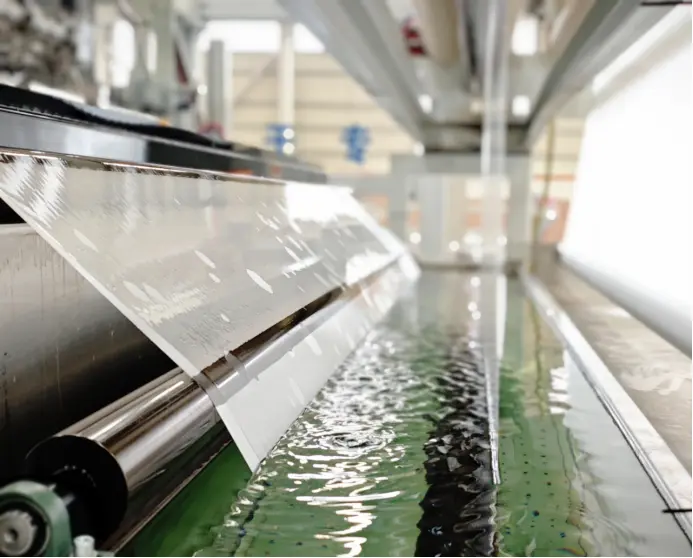
Focusing on high precision and efficiency for safety automotive glazing, delivering exact thickness profiles for HUD HUD applications.
Detailed technical answers to common queries regarding industrial PC sheet machinery design, operation, and specifications.
A1: Optical degradation is avoided through custom-designed screws that minimize shear stress and prevent localized overheating. We use high-grade nitrogen-purged processing environments and specialized mirror-finish calendering rolls with precise internal cooling, ensuring the polymer cooling rate prevents crystallization and maintains high clarity.
A2: Yes. While PC and PMMA have different melt temperatures and viscosity properties, GWELL lines feature modular designs. By adjusting the screw configuration, die gap, and temperature control zones via the PLC screen, operators can run both polymers with minimal downtime.
A3: With our closed-loop control system, automatic T-dies, and online beta-ray thickness scanners, our lines achieve tolerances within ±1% to 2% of the target thickness, even on wide sheets up to 3000 mm.
A4: We use premium nitrided steel alloys (such as 38CrMoAlA) and apply specialized bimetallic coatings. This ensures resistance to chemical corrosion and abrasive wear, particularly when processing recycled raw materials or flame-retardant additives.
A5: Engineering, manufacturing, and in-house testing generally take 90 to 120 days. Once delivered, GWELL field service technicians handle structural assembly, electrical calibration, software integration, and test runs within 2 to 3 weeks on-site.
Working with leading global raw material suppliers and automation component brands.




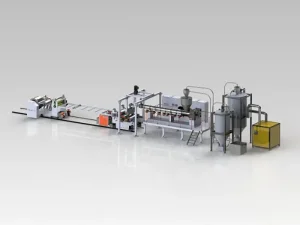
Advanced technological layouts for specialized industrial, automotive, and packaging applications.