
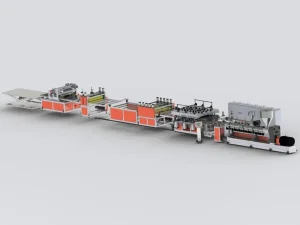
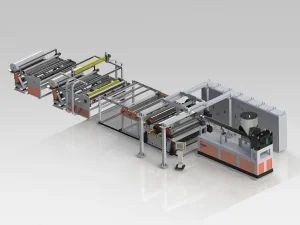
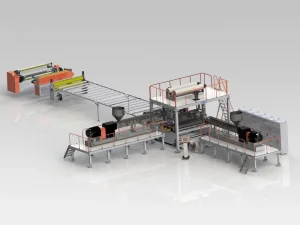
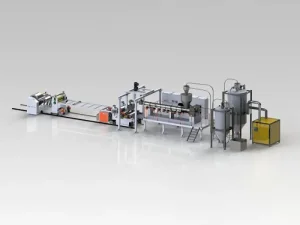
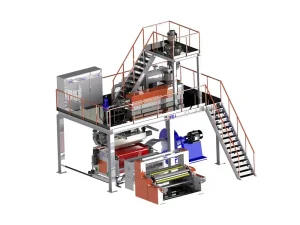
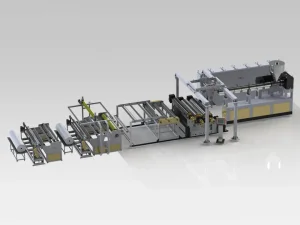
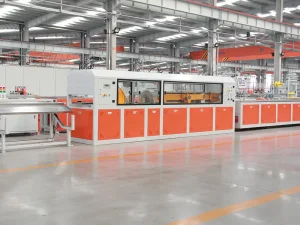
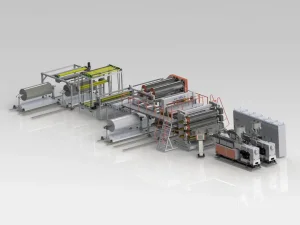
In the modern plastics processing and thermoforming landscape, Polyethylene Terephthalate Glycol (PETG) has emerged as a premium copolyester material. It represents the perfect equilibrium between the structural rigidity of polycarbonate (PC) and the easy processability of amorphous polyethylene terephthalate (APET). The global demand for PETG sheet manufacturing lines is surging, primarily fueled by strict ecological laws, the phasing out of PVC, and the critical need for impact-resistant, high-transparency packaging materials.
Procurement directors and factory managers across North America, the European Union, and East Asia prioritize the integration of fully automated PETG sheet extrusion systems. Key procurement factors include:
By eliminating the pre-crystallization and drying phases, automated extrusion systems drastically decrease operational overhead and overall power demand.
Meets strict FDA, REACH, and EU Medical Device Regulations (MDR) for cleanroom compatibility and medical-grade copolyester packaging.
Features state-of-the-art Siemens PLC controls paired with inline optical defect detectors to locate and tag defects automatically.
Developing high-quality PETG sheets requires careful thermal profile control. Because PETG is an amorphous copolyester, excessive shear heat in the extruder barrel can lead to polymer degradation, resulting in a loss of impact strength and a yellowish tint. Below is the technical roadmap deployed by industry-leading manufacturers:
Precision feeding systems monitor the ratios of virgin copolyester resin, recycled PETG flakes, anti-blocking masterbatches, and slip additives. Continuously calibrated load cells adjust the feed rate dynamically in response to changes in bulk density.
To eliminate moisture-induced hydrolysis without a complex pre-drying setup, manufacturers utilize custom screw configurations. These feature a venting zone under vacuum pressure (less than 10 mbar). This design efficiently removes volatile organic compounds (VOCs) and moisture from the polymer melt while preserving its molecular weight (intrinsic viscosity).
A positive-displacement gear pump ensures a consistent polymer flow to the T-die, eliminating pressure surges. The co-extrusion feedblock handles multi-layer configurations (such as ABA structures) to sandwich recycled materials between thin outer layers of virgin PETG. This retains surface gloss and complies with food-contact regulations.
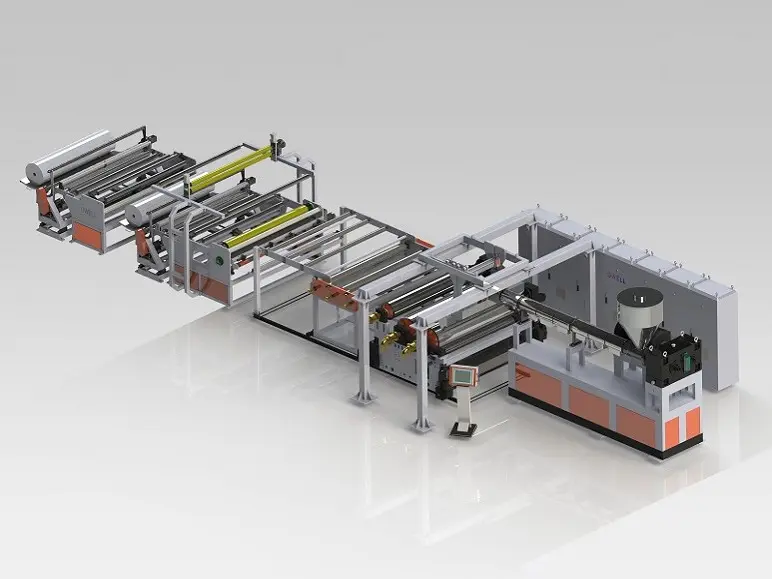
The cooling phase is critical for maintaining PETG's high transparency. An automated three-roll calendar system, featuring independent temperature controls for each roller, cools the sheet quickly. This prevents micro-crystallization, keeping the sheet fully amorphous and crystal clear.
China GWELL Machinery is a leading high-tech enterprise dedicated to the design and manufacture of advanced plastic extrusion lines for film, sheet, and profile applications. Leveraging the strong technological resources and manufacturing capabilities of our parent group, GWELL commits to international market expansion and continuous research and development.
Guided by our core operating philosophy, "Expertise creates customers' values," we deliver custom solutions tailored to cleanroom operations, thermoforming applications, and sustainable packaging initiatives.
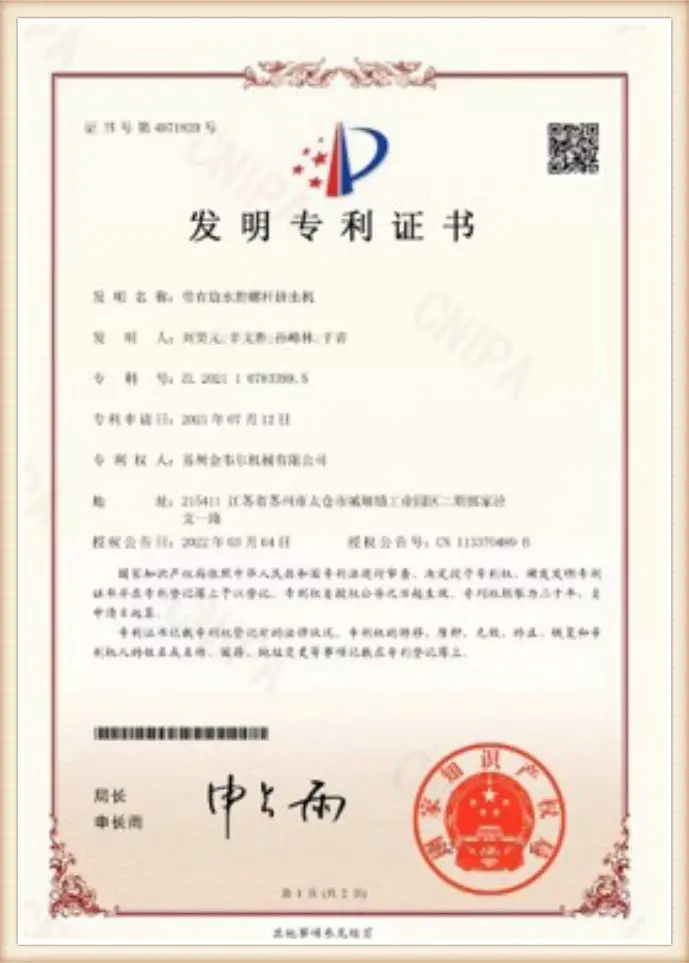
We work closely with major polymer research institutes and universities to ensure our extrusion lines incorporate the latest developments in screw geometry design, energy recovery systems, and automated controls.
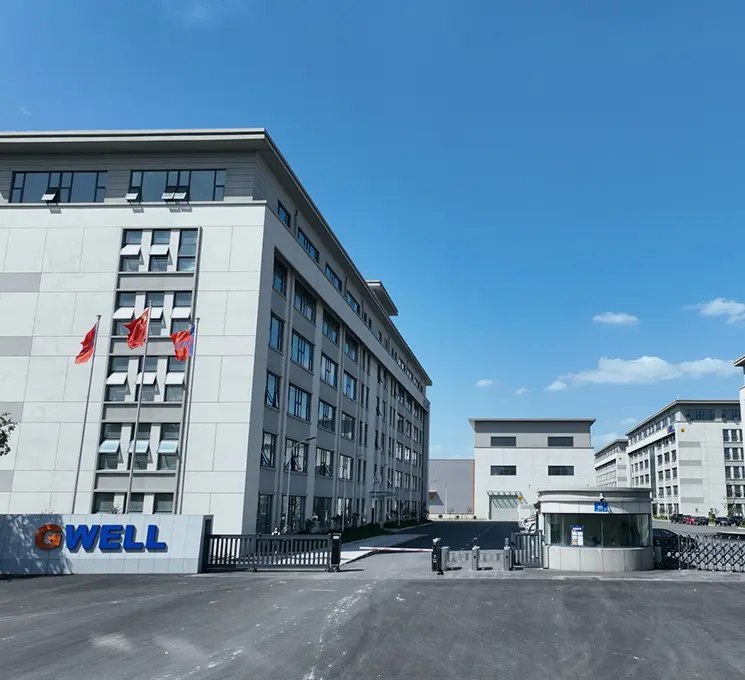
Collaborating with elite technical universities enables us to integrate the latest polymer rheology models directly into our screw design processes.
We provide full, end-to-end support, covering layout design, remote commissioning, on-site calibration, and operator training programs.
With three manufacturing bases, we can deliver high-capacity multi-layer extrusion lines on time, ensuring fast time-to-market.
GWELL's cast film extrusion lines are optimized for high-performance specialty packaging and technical films. Engineered to work with polymers like TPU, PVDF, PVA, PI, PEVA, and ASA, these systems feature advanced chill-roll setups and winding controls. This design guarantees uniform gauge distribution and reduces internal stress in the film.
Primary Applications: Automotive protective films, solar encapsulation backsheets, medical barrier films, and eco-friendly water-soluble packaging.
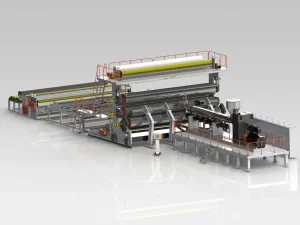
Engineered to handle high-molecular-weight polymers, our board extrusion lines are ideal for producing thick sheets and structural panels. These systems process materials like PVC, SPC, WPC, HDPE, PP, and high-performance technical engineering plastics (including PEEK, PFA, and PVDF).
Primary Applications: Chemical containment tanks, heavy industrial linings, construction concrete formwork, and premium home decoration flooring.
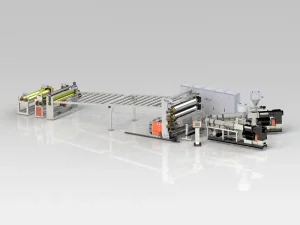
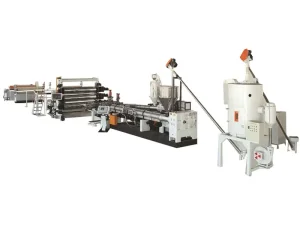
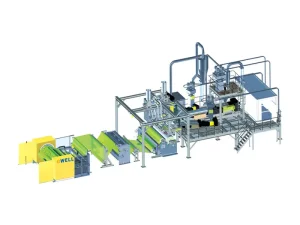
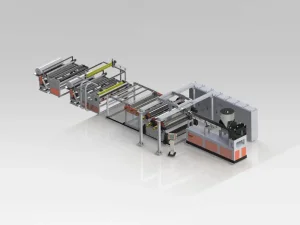
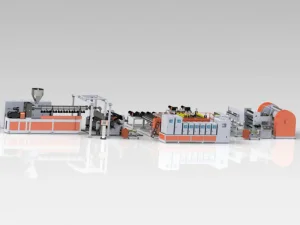
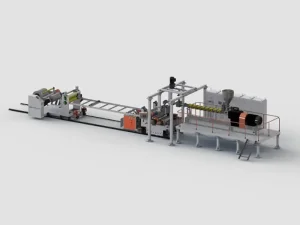
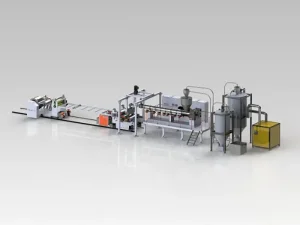
Specialized systems engineered for PET, PETG, PCTG, PP, PLA, and PC polymer processing. Designed for high transparency, low gel count, and optical-grade surfaces. These lines are equipped with automated sheet thickness sensors and hydraulic screen changers to ensure continuous, high-output production.
Primary Applications: Food thermoforming, medical pill packaging, retail face shields, and protective display screens.
High-efficiency, custom co-extrusion systems designed for solar encapsulation materials, including EVA, POE, EPE, and BIPV PVB interlayer films. Features precise temperature control to prevent pre-crosslinking during extrusion, ensuring optical clarity and long-term durability under UV exposure.
Primary Applications: Photovoltaic modules, architectural safety glass, and hydrogen energy PPS separators.
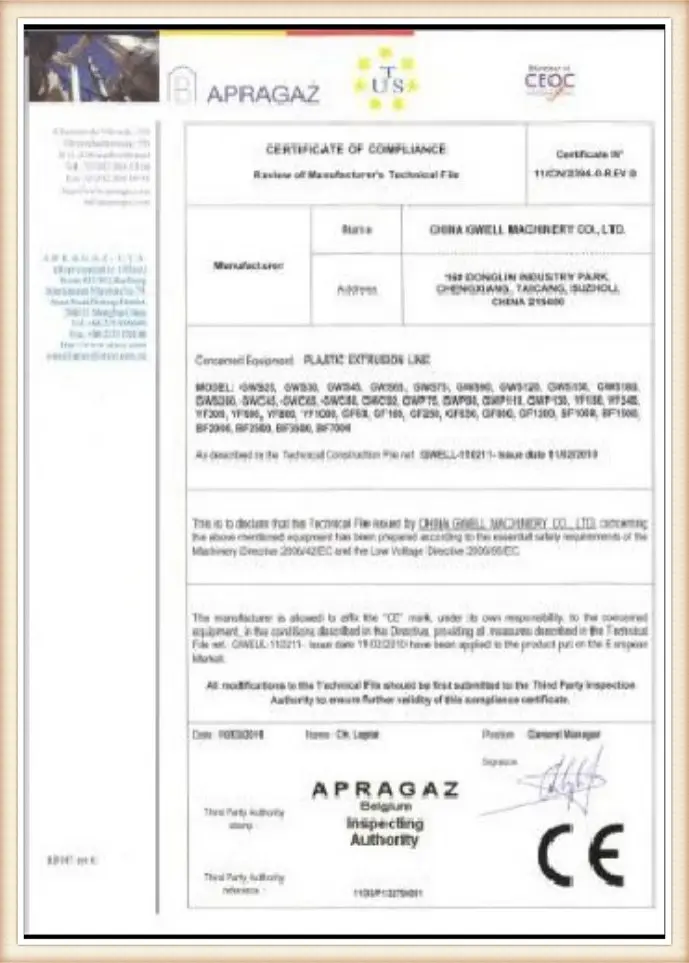
Operating a high-yield sheet production facility requires compliance with strict safety and quality standards. Our machinery designs align with international compliance metrics:
The PETG production landscape is evolving toward digital twins and predictive maintenance. Modern software platforms monitor extruder drive loads, melt temperatures, and calender cooling rates to detect wear on the barrel or screw before it impacts sheet quality. Additionally, integrating mechanical shear-minimizing technology allows for higher throughput while maintaining the optical purity needed for optical display panels and electronics packaging.
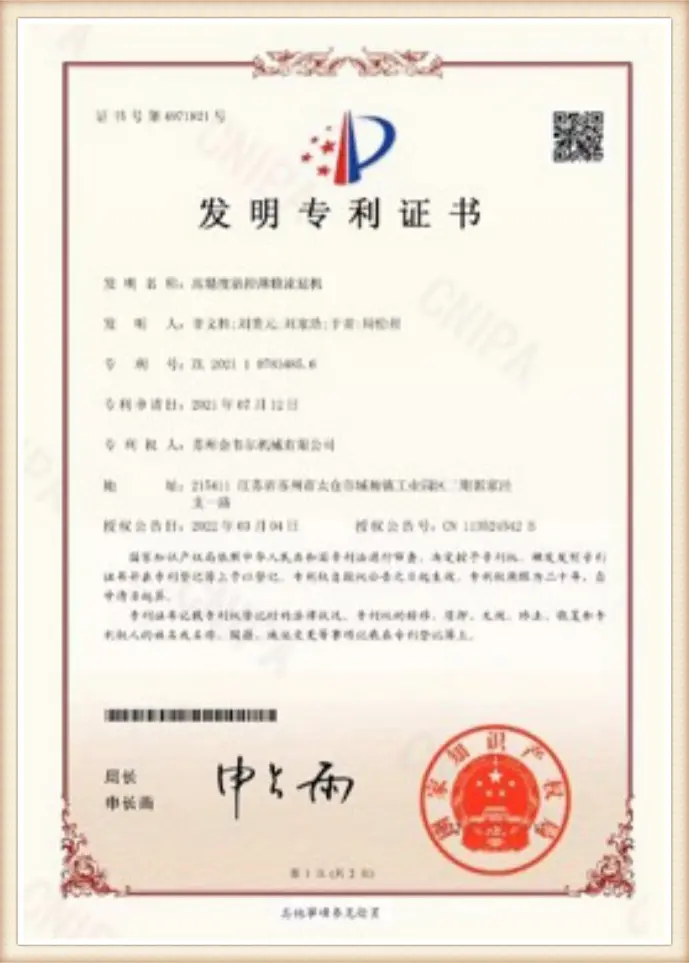
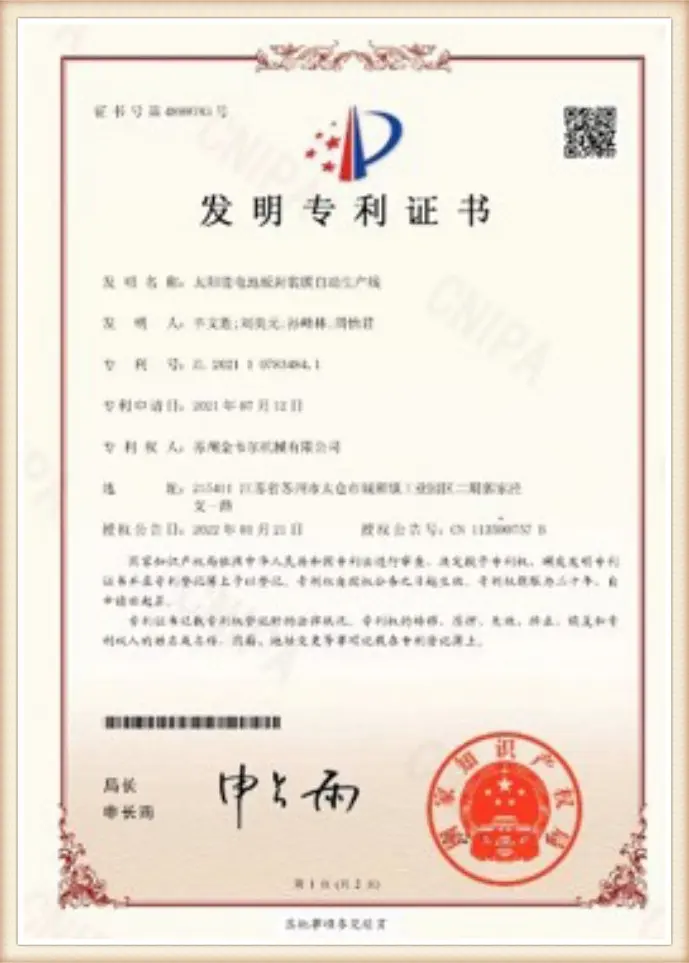
GWELL's R&D capabilities and precision machining are recognized throughout the global plastics processing industry. Contact our application engineers for custom equipment configurations, energy-efficiency audits, or a direct machinery quote.
Send Inquiry Now